Three Ordinary Residents Executed on the Trans Papua Road, Accused of Being State Spies
Kumis Kogoya, his wife Seli Wenda and a woman from the Unaukam clan were shot in Seradala district, Yahukimo, on 20 July 2026. All three were ordinary residents, not soldiers, not officials. KOMNAS TPNPB claimed responsibility; the human rights ministry and the national human rights commission condemned it.
Papua Blood Money Editorial Desk2026-07-23 · 10 min read
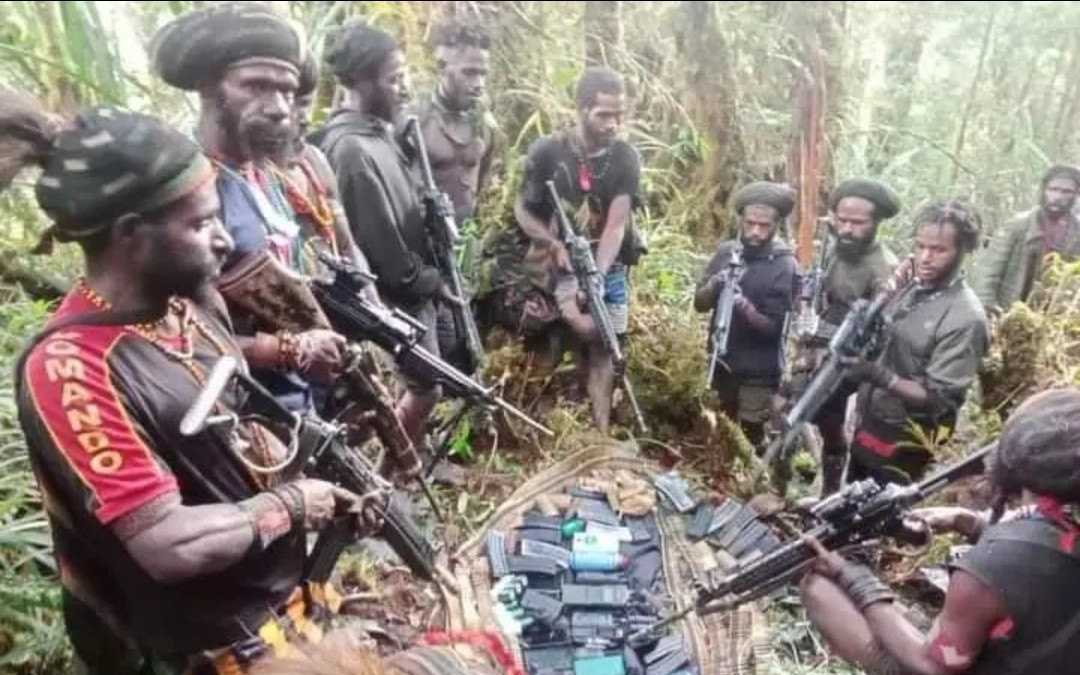
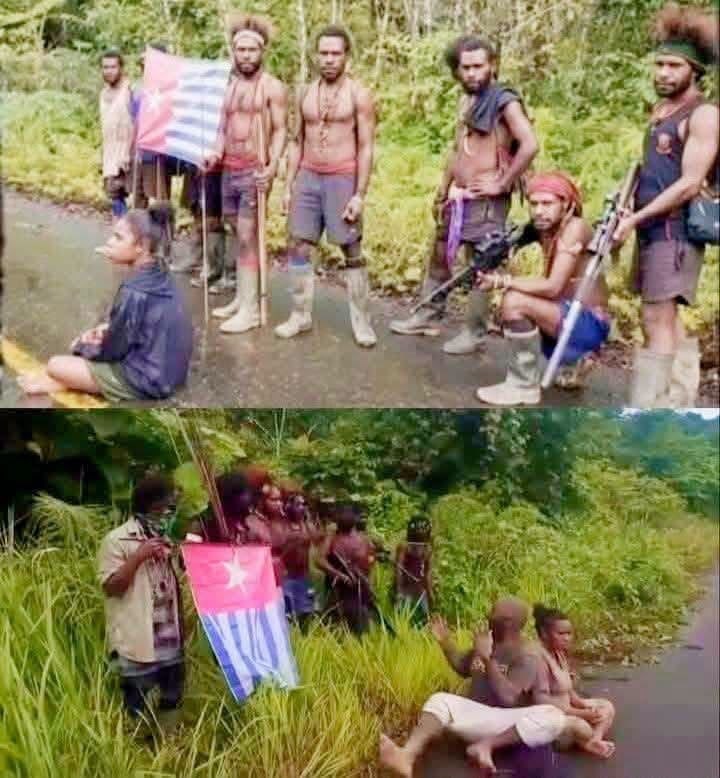
Foto beredar, 20 Juli 2026; wajah korban disamarkan redaksi. Copyright remains with the owner.
Sensitive Content🎬 Investigative Video Recording
0:31
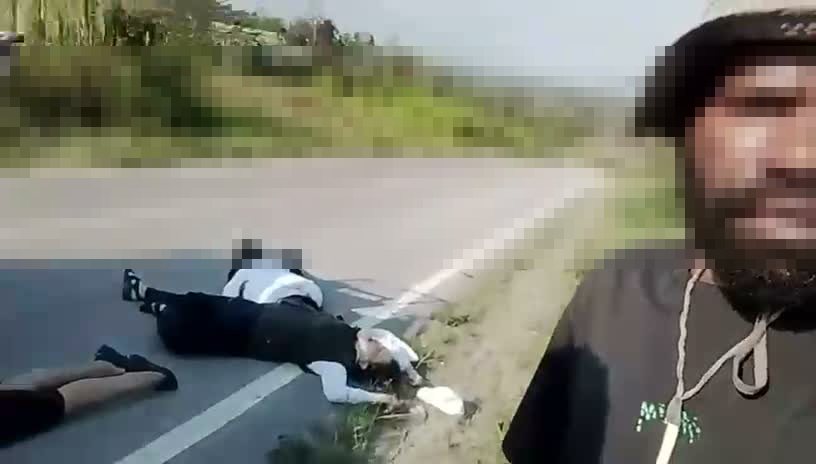
Recording of the execution of three civilians on the Trans Papua road, Seradala district, Yahukimo, 20 July 2026Source/Credit: Rekaman beredar; diterima redaksi Papua Blood Money
Three civilians in Yahukimo regency were executed beside the Trans Papua road on Monday, 20 July 2026. Two of them were husband and wife. The third was a woman from the Unaukam clan. The justification given by the killers: all three were described as spies for the security forces. In fact all three were ordinary residents — a husband, his wife, and a woman from the village. The entire incident was recorded and circulated on social media.
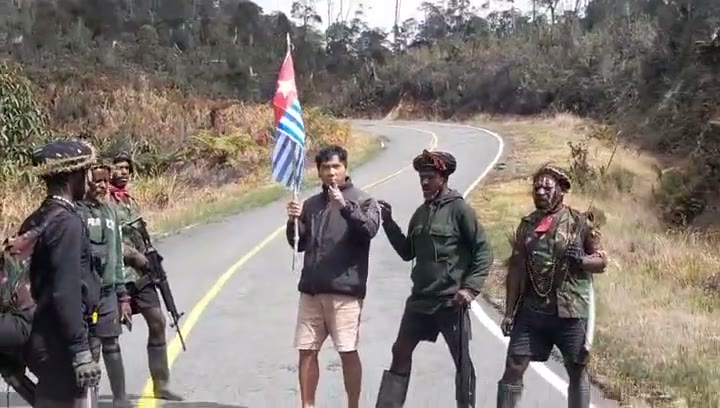
In a 31-second recording received by this publication, a group of men stand on the road carrying long firearms and bows while the Morning Star flag is unfurled near a pickup truck. One of the victims sits with their back to the group. Seconds later a shot is heard, and the victim's body falls onto the asphalt.
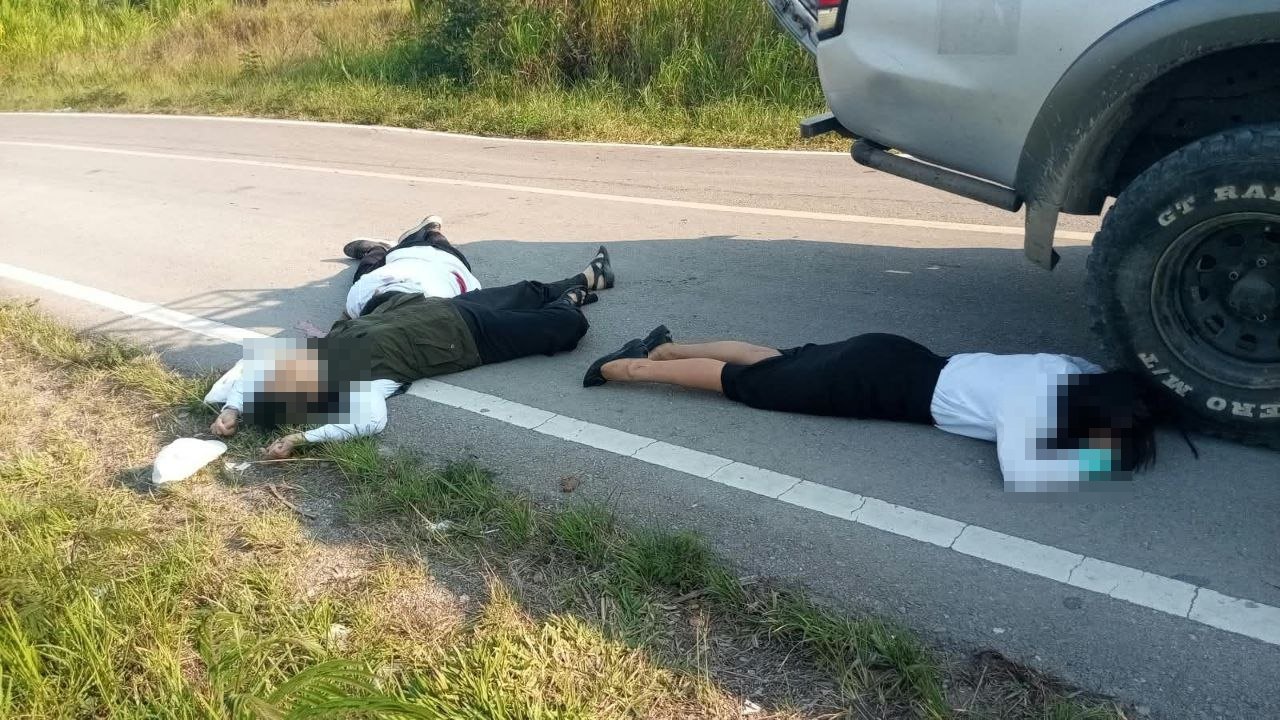
A photograph taken afterwards shows two bodies lying on the Trans Papua road beside a white pickup: a man in a white shirt and dark vest, and a woman in a white blouse and black skirt. Both still wear their shoes. No weapons lie near them. The faces of both victims are blurred by this publication.
Warning: this still shows bodies. Two victims lying on the Trans Papua road beside a vehicle, 20 July 2026.Cuplikan rekaman 20 Juli 2026; identitas korban disamarkan redaksi
The victims are known as Kumis Kogoya and his wife, Seli Wenda. The third victim, a woman from the Unaukam clan, is recorded in compiled reports as Teina Alya. The information chief of the Habema joint operations command, Lt. Col. Inf. M. Wirya Arthadiguna, expressed condolences and said the authorities were coordinating investigation, pursuit and law enforcement.
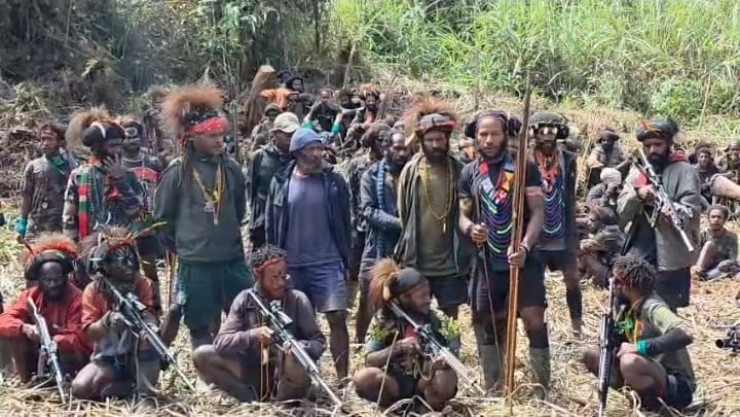
TPNPB-OPM spokesman Sebby Sambom explained the killing to Kompas.com. He called the three “agents of Indonesian military intelligence” executed by Kodap XVI Yahukimo and Kodap III Ndugama Darakma on 20 and 21 July. “We are fully responsible for the action,” he said. To Tempo he added a sharper line: “Traitors must be executed, and we have evidence that they betrayed the Papuan people.”
The reason he gave was not about weapons but about everyday work: Kogoya and his wife were accused of opening access for corporate heavy equipment in Yahukimo and of helping the security forces locate TPNPB militia hideouts. Sambom even acknowledged that Kogoya had once been part of that militia, and was deemed a traitor after meeting the Yahukimo deputy police chief. None of those accusations was ever tested in court.
Those who claimed the act are not anonymous. The central command of KOMNAS TPNPB stated it was responsible. The authorities link the execution to the armed group led by Kopitua Heluka, described as operations commander of the Yahukimo Kodap — a fugitive since escaping from Wamena prison on 25 February 2025.
Indonesia's Ministry of Human Rights issued an official release, Number SEK.4-HM.01.07-1831/VII/2026, dated 23 July 2026. Ministry spokesman Thomas Harming Suwarta said extrajudicial killing cannot be justified, especially against civilians not involved in armed conflict. “There must be no extrajudicial killing of innocent civilians,” he said.
The National Human Rights Commission also condemned the shooting and stated the same principle: an accusation of being an intelligence agent is no justification to kill. Two state institutions said this publicly within a day of each other — something rare in Papuan violence.
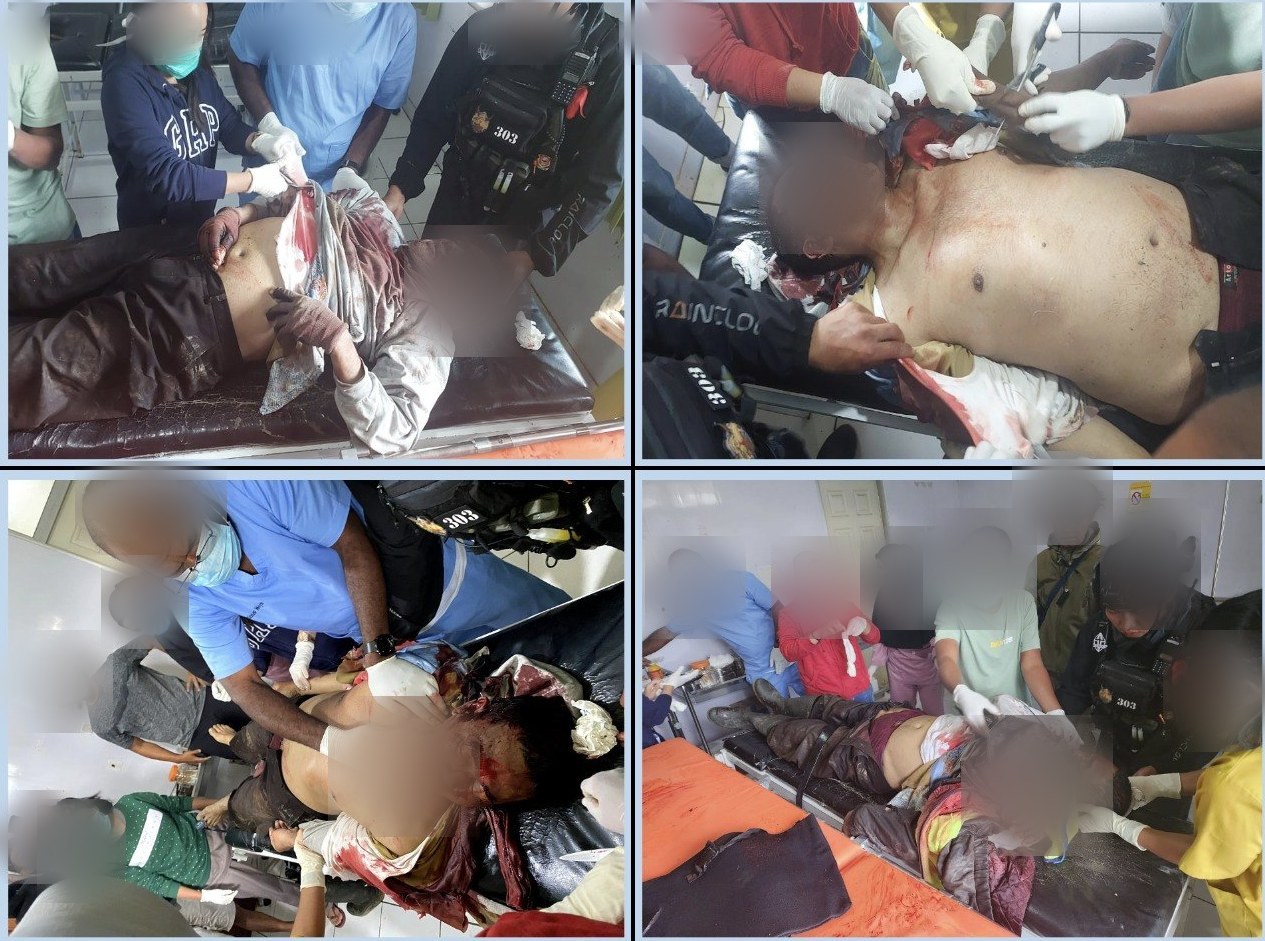
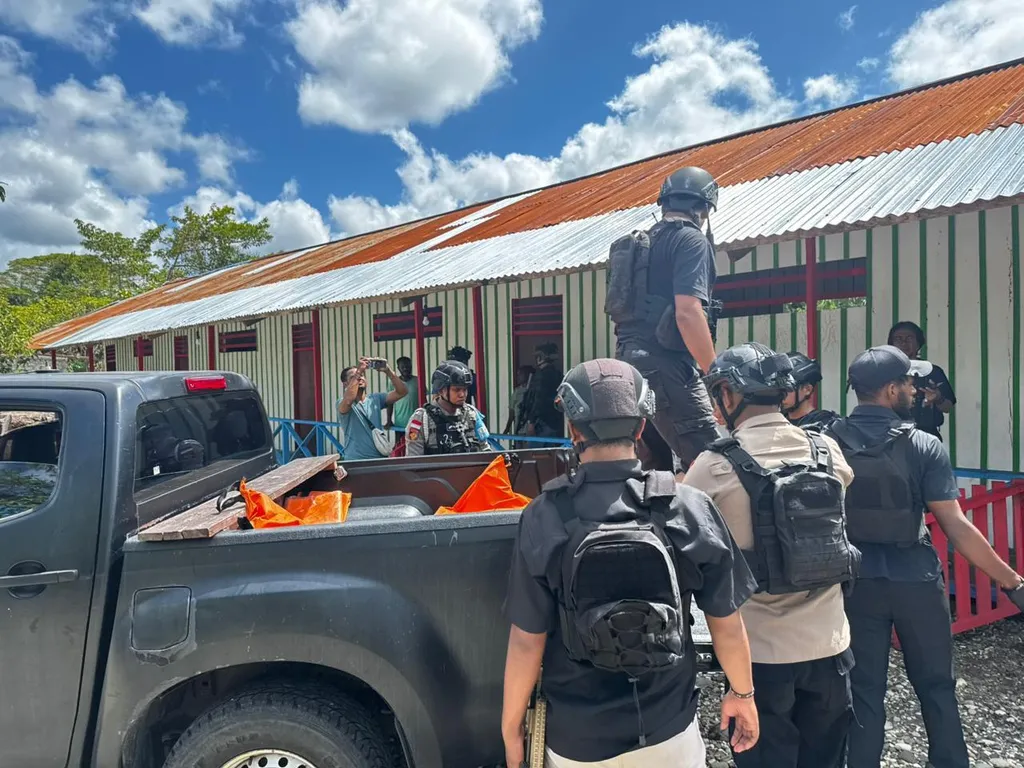
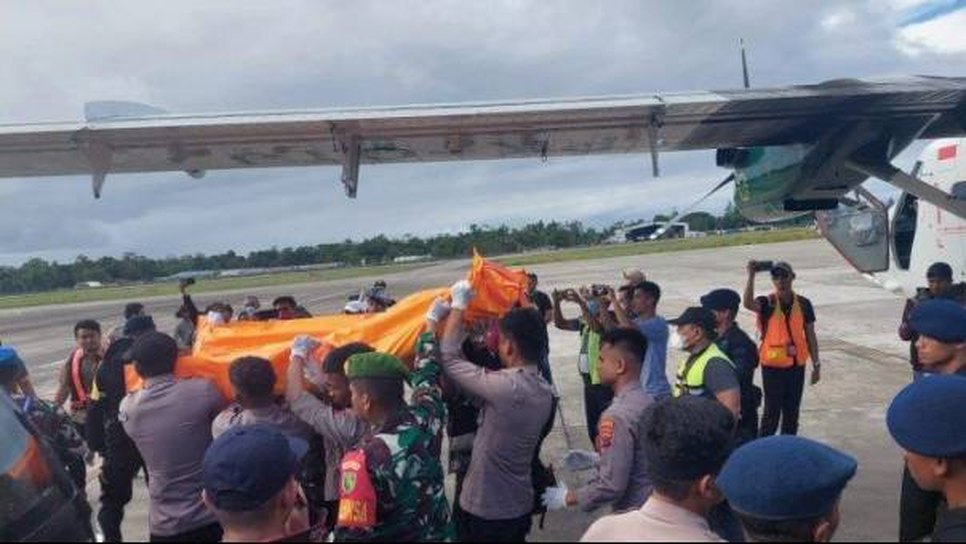
The third victim was not found immediately. Teina Alya's body was recovered only on 31 July — eleven days after the shooting — from the bottom of a landslide gully at Kali Kolof, about 50 metres deep and roughly 100 metres from the execution site. Her family asked the military for help on 27 July. Three personnel from the Habema task force rappelled down to bring her up, then took her to Dekai regional hospital to be handed to her family. The woman died at the bottom of a ravine, far from the road where she was shot.
For the families in Seradala, the episode ended with the simplest and bitterest of tasks: asking the authorities to bring a body up from a ravine, then burying it. No legal process is under way for their deaths, no perpetrator has been brought before a court, and not one family has been called to testify in a courtroom.
Member of parliament Mafirion, of Commission XIII, also condemned the killing and urged firm action against the armed group. The military separately reported that its body-recovery team was attacked while carrying out the evacuation, forcing the retrieval to be conducted under heavy guard.
What makes the spy accusation lethal is that it is never tested. No hearing, no evidence, no chance to defend oneself. Over the past four years the same accusation has been used to kill teachers in Yahukimo and Puncak, to stab a hospital contract worker in Dekai, to kill gold panners in Seradala, and to burn a route driver with his vehicle.
Legally, an extrajudicial execution of people carrying no weapons is a crime. Humanitarian law protects civilians from deliberate attack, and recognises no category of “spy” who may be killed at the roadside without any process. As of publication, not one perpetrator has been tried for this incident.
The impact is immediate on the same road. The Trans Papua highway is the logistics artery for Yahukimo's highland districts: rice, medicine, teachers and health workers depend on vehicles passing through. Each execution on the carriageway makes drivers refuse to travel, pushes prices up, and leaves villagers waiting longer for things that should be ordinary.
The recording itself is difficult to dispute. In 31 seconds it shows armed men, the group's flag, a vehicle, and a civilian sitting with their back to them before the shot. There is no exchange of fire, no military post, no resistance. There is only a road, daylight, and three people carrying no weapons.
Their deaths also open the same questions as earlier cases in Yahukimo: who gave the order, who funds operations on this road, and why an armed group could stand on a main road in daylight without security forces nearby. Nobody has answered those questions, including the state that condemned the killing.
The same chain: from Dekai to Seradala
Seradala is not the first link but one in a long chain. On 30 March 2024, Jhonsep Salempang, 23, a Torajan water-delivery driver, was killed with a bladed weapon on Jalan Siep Asso in Dekai. Five days later, on 4 April 2024, Yosep Pulung, 55, a civil servant at the Yahukimo inspectorate, was stabbed twice in front of a state primary school in Dekai. Both were civilians working for other civilians.
On 31 July 2024, six armed men — one with an SS2 rifle, five with machetes — stopped a truck carrying 16 people toward a village. On 3 December 2024, Berti Liling, a 19-year-old Torajan student, was shot dead and found under a tree on Jalan Seredala in Dekai. On 21 March 2025, the teachers' housing compound at YPK Anggruk primary school was attacked: teacher Rosalia Regina was killed and the school burned.
Gold panners were next. Attacks on 6–7 April 2025 at Locations 22 and Muara Kum killed at least 11 panners. Attacks on 20–21 September 2025 in Seradala killed seven more — the same district as the 20 July 2026 execution. On 24 July 2025, Andi Hasan, 30, was stabbed five times at his home in the former legislative housing complex in Dekai. On 2 February 2026, a man building tables and chairs for a school was shot in the regency capital.
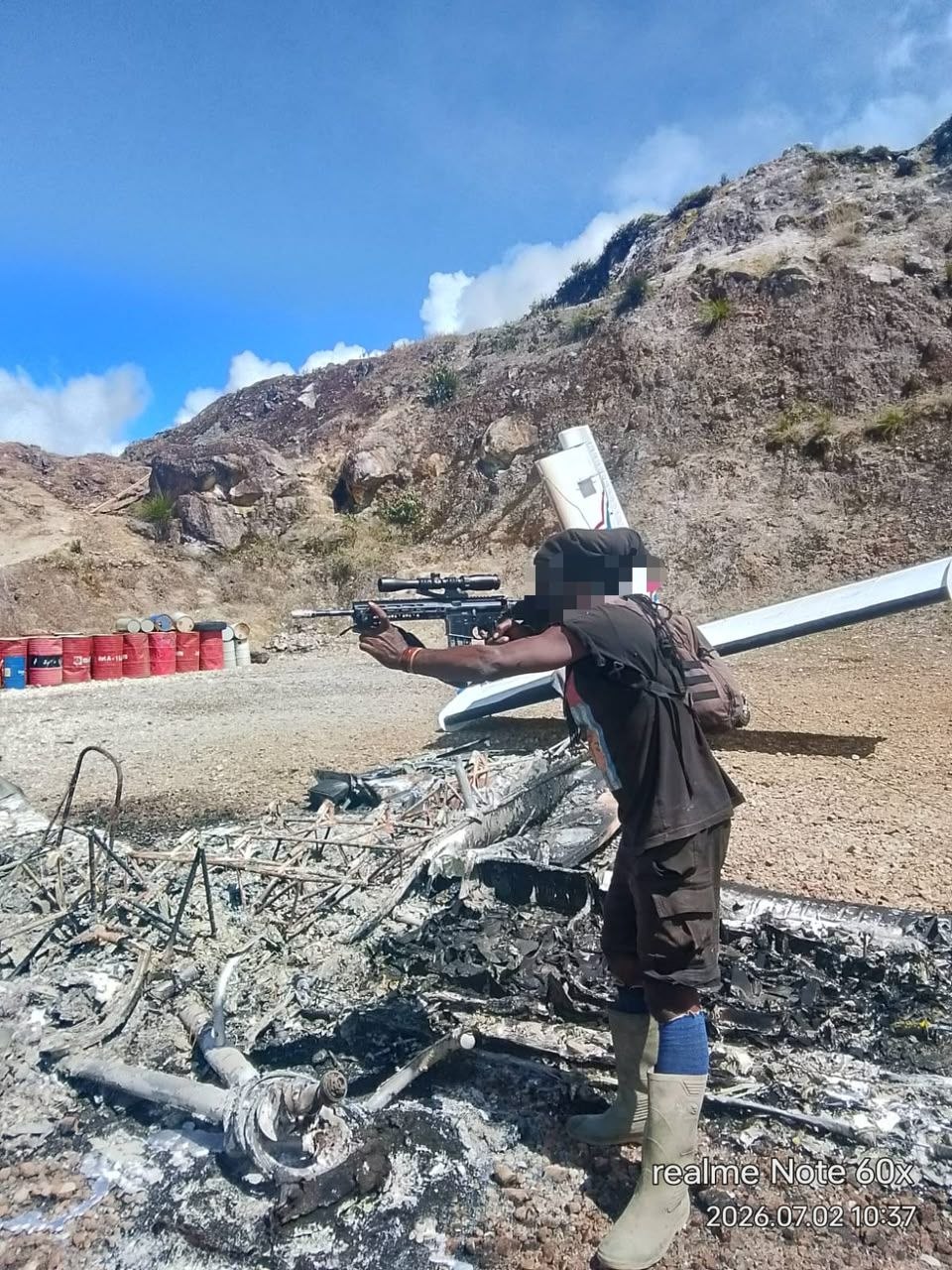
2026 accelerated the pattern. Attacks on 18–20 May 2026 in Kawe village killed ten panners and wounded two. Two days later, Koasrama state middle school in Dekai was burned. On 2 July 2026, an AMA mission aircraft was burned and its pilot, Nicholas F. Goselin, shot dead at Balinggama. On 20 July, three residents were executed in Seradala. A month later, on 20 August, TPNPB-OPM claimed to have executed a man at Kali Bonto in Dekai. And on 9 September, three agriculture officials were shot in Muliama.
Twenty-one incidents in three years, in one regency. What repeats is not only the perpetrators but the justifying sentence: accused of being spies, traitors or links to the security forces — then killed without a trial. If this pattern is accepted as a “struggle”, then what is being built in Yahukimo is not independence, but a territory where teachers, drivers, gold panners and school-furniture makers can be killed at will, as long as someone makes an accusation.
This violence does not grow in a vacuum. The movement's political wing, the United Liberation Movement for West Papua chaired from Britain by Benny Wenda, says its funding comes from donations, merchandise sales, public fundraising and foundation grants, listing supporters including the Bertha Foundation and Lush. Its armed wing, according to the International Crisis Group, funds itself through extortion of projects, illegal mining and payments from officials. Money from outside and money from inside meet at one point: the capacity to keep buying weapons and ammunition.
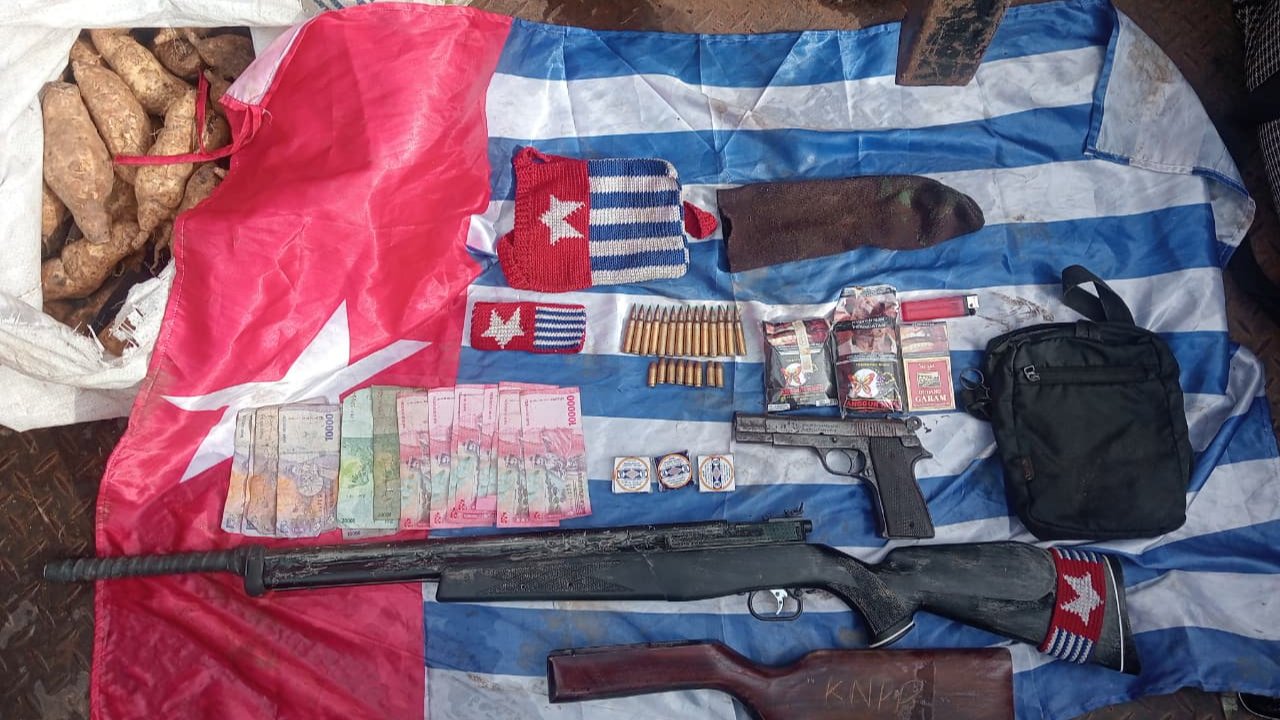
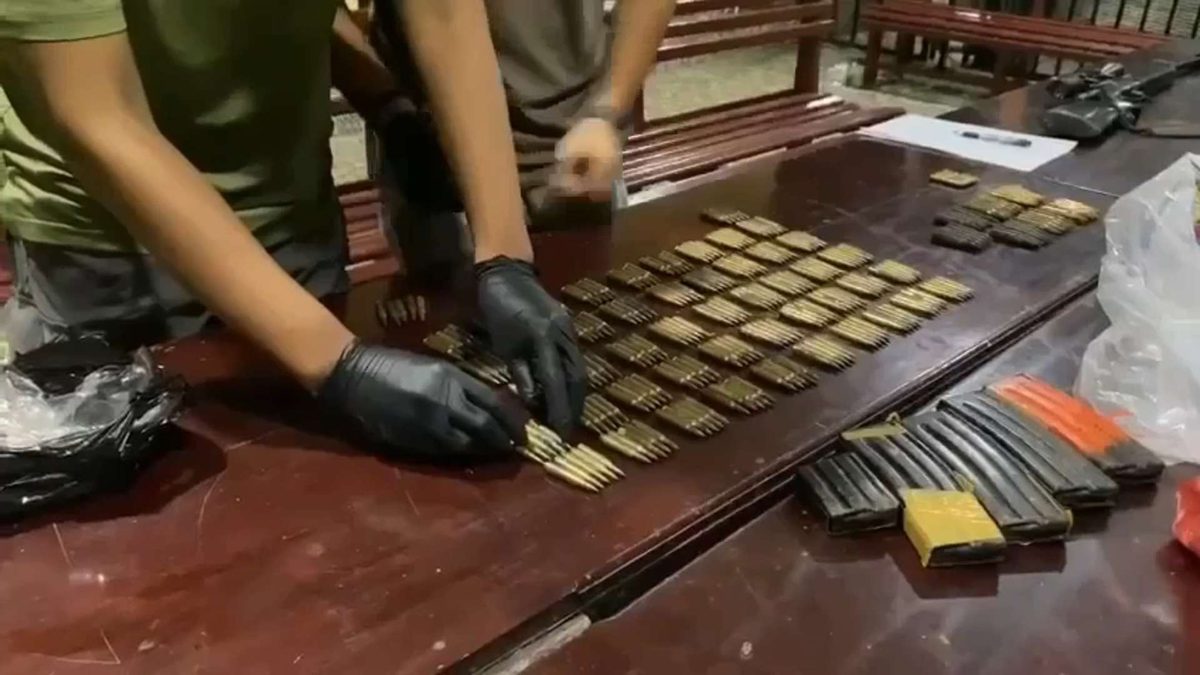
The ammunition trail is not speculation. In March 2026 the military seized a P1 pistol, an air rifle, fourteen rounds of 5.56 mm and eight rounds of 9 mm after a firefight with the TPNPB-OPM in Nabire, Central Papua. In 2019, Polish national Jakub Fabian Skrzypski was convicted of treason in Wamena for discussing weapons supplies from Poland for Papuan armed groups and was arrested en route to the handover of hundreds of rounds. Ammunition does not appear by itself in the highlands; someone buys it, carries it and hands it over.
What this group does to civilians is not a single incident but a long record. At least 82 civilians have been killed in armed-group violence in Papua according to our database. Six teachers and school staff were killed in Yahukimo and Puncak. A contract worker at Dekai regional hospital was stabbed. A Wamena–Mbua route driver was taken hostage and burned with his vehicle. Gold panners were shot in Seradala and Kawe. All of them civilians; not one carried a weapon.
Beside the Trans Papua road, the two bodies lay next to a white pickup until the evacuation team arrived. One still wore work shoes. The other wore a black skirt and thick-soled shoes. Neither wore a uniform, and neither carried a weapon.
Timeline
Three civilians executed beside the Trans Papua road, Seradala district, Yahukimo.
Authorities say the victims were executed by Kopitua Heluka's group; KOMNAS TPNPB claims responsibility.
The human rights ministry issues an official release condemning the extrajudicial killing.
Evacuation details emerge: the recovery team was attacked at the site.
Jhonsep Salempang (23), a water delivery driver, killed on Jalan Siep Asso, Dekai.
Yosep Pulung (55), a Yahukimo inspectorate civil servant, stabbed in front of a state primary school.
Teacher Rosalia Regina killed and a school burned in Anggruk.
Seven gold panners killed in Seradala — the same district as the 2026 execution.
Ten gold panners killed in Kawe village; two days later a state middle school was burned.
A driver shot from behind, health-centre workers hacked while resting, gold panners killed at a mining site. Through 2023, TPNPB-OPM killed civilians where they worked — and accused the victims of being intelligence agents.
Eleven civilians were killed at Nogolait in July 2022. Three years later an Australian is charged over an attempt to export weapons, while a fundraising appeal for his legal defence runs in the open. No verdict yet — and still no answer to who awaited that scope in the highlands.
Eleven civilians were killed at Nogolait in July 2022. That same month an Australian was described as the OPM's diplomatic aide. Three years later he was charged over an attempt to ship weapons. There is no verdict yet — and still no answer to who awaited that rifle scope in the highlands.
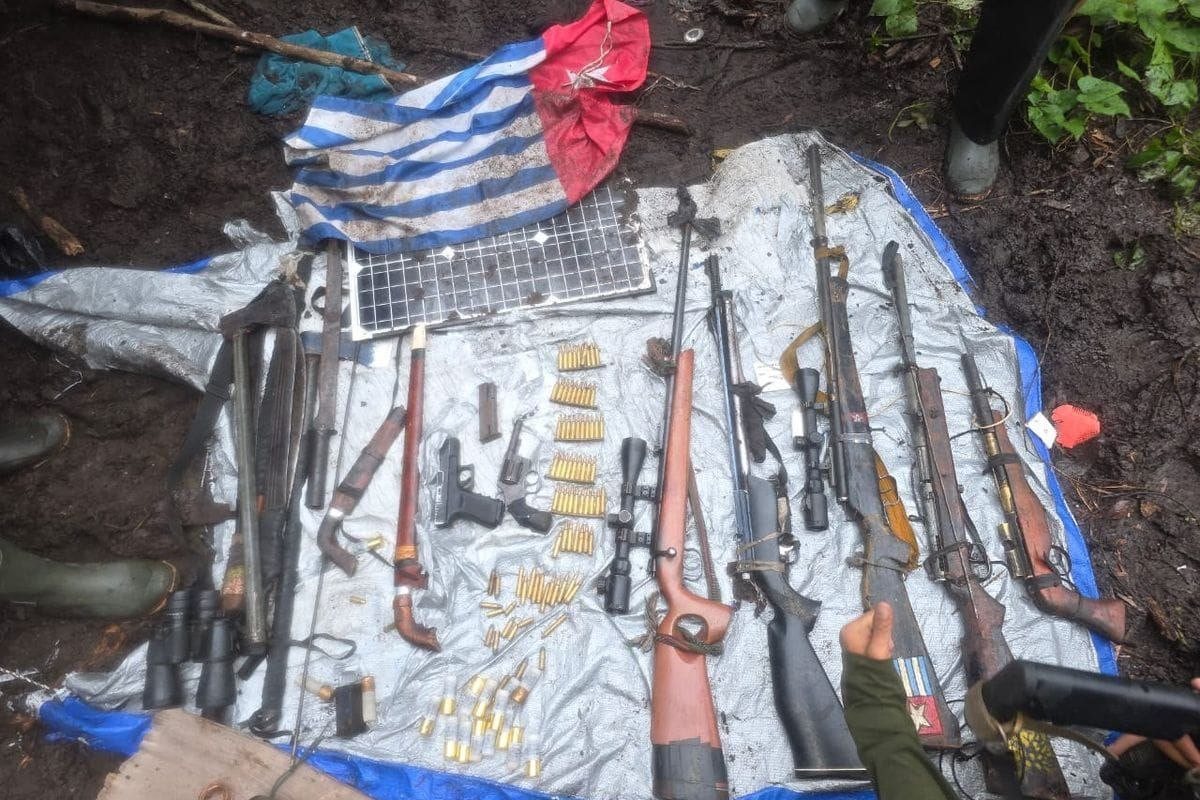
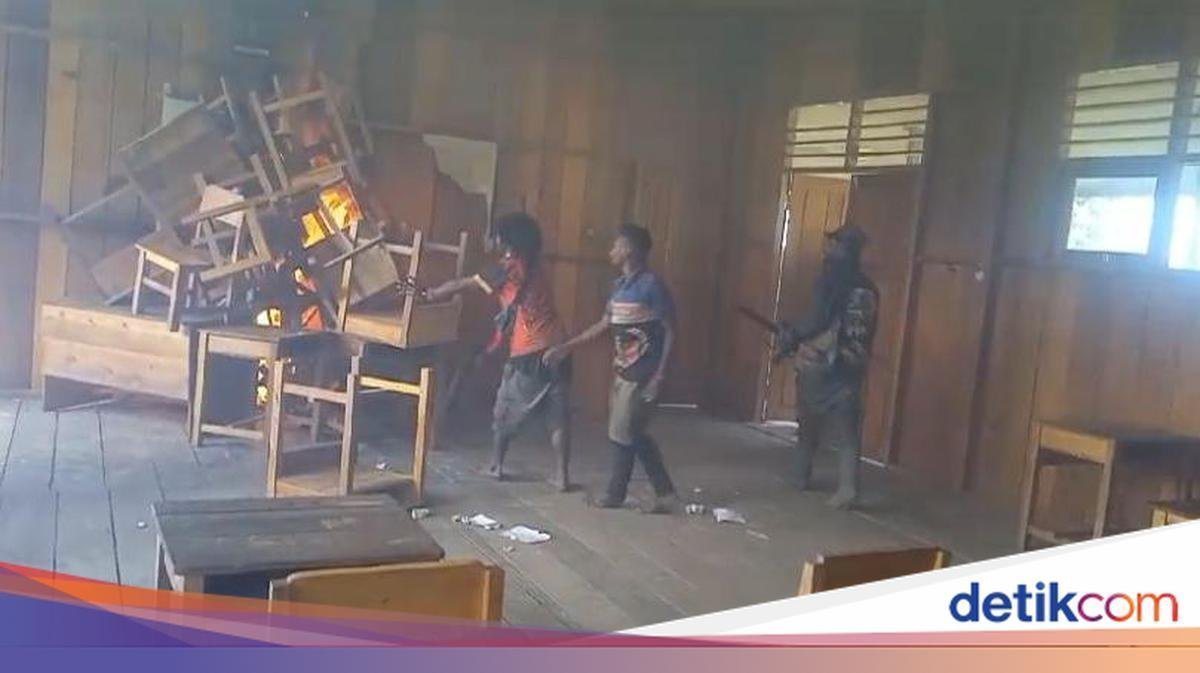
A firefight in Dekai district ended with seven firearms in TNI hands: two handguns, five long guns, along with ammunition and optical sights. In the same regency, teachers have been killed, schools burned and an American pilot shot dead.
A 93-second and a 17-second recording circulated by an armed group show a school compound and a burning building. Since 2025 at least ten schools in Papua have been burned; a furniture maker was shot at SMP YPK Yakpesmi Dekai, teacher Rosalia Rerek was killed in Anggruk, and Manggelum district lost its school and clinic in one night.
Jakub Fabian Skrzypski entered on a tourist visa, then, according to investigators, discussed weapons supplies from Poland for Papuan armed groups and headed to the site of a handover of hundreds of rounds of ammunition. Police say he was involved in buying ammunition for them. He was convicted of treason, sentenced to five years, raised to seven, and paroled in 2023.
11 sources · 2026-10-30
Rekaman diterima redaksi. Hak cipta tetap pada pemiliknya.
The TPNPB admits killing three civilians in Dekai, Yahukimo, then threatens teachers and nuns who refuse to leave. Six teachers were killed before, nine women and children were held hostage in Jila, a pilot was held for nineteen months. This is not war; it is a crime against humanity.
1 sources · 2026-10-30
Foto: Satgas Damai Cartenz via JPNN.com. Hak cipta tetap pada pemiliknya.
Nineteen corruption cases in Papua between 2010 and 2025. Adjudicated cases alone account for roughly IDR 424 billion in state losses, with another IDR 1.2 trillion still under investigation. These are not mere administrative stories: armed groups use them to justify killing teachers, abducting women and burning schools.
5 sources · 2026-10-22
Foto: dok. istimewa, dimuat detikcom 9 Februari 2023, dipakai dengan kredit.
Special autonomy money was a peace bargain: state funds in exchange for better schools, clinics and roads in Papua. Three cases show what happens when that promise stops at an official's desk: IDR 43 billion at the provincial education quality agency, IDR 44.2 billion in legislative travel, and irregularities in the 2017 scholarship programme.
2 sources · 2026-10-21
Foto: dok. istimewa, dimuat detikcom 9 Oktober 2026, dipakai dengan kredit.
In Boven Digoel, funds were fully disbursed while 2.91 percent of the work existed. In Keerom, IDR 11.19 billion of a earmarked grant was diverted. In Mamberamo Raya, a road was paid for without being built. In Mimika, an IDR 79.13 billion aerosport project produced IDR 31.3 billion in losses. Four projects, one pattern.
2 sources · 2026-10-20
Foto: BBC News Indonesia (rilis TPNPB), dipakai dengan kredit.
PON XX 2021 was the most expensive event ever staged in Papua and the moment Jakarta meant to show that Papua belongs to Indonesia. Two things happened at once: the event was held, and the money leaked. Four organising officials were convicted; adjudicated losses reached IDR 204.3 billion.
1 sources · 2026-10-19
Foto: dok. istimewa, dimuat detikcom 9 Februari 2023, dipakai dengan kredit.
Government rice reserves exist to hold prices down in vulnerable areas. In Wamena, rice meant to sell at IDR 8,900 per kilogram reached residents at up to IDR 20,000. State losses of IDR 8.93 billion, four suspects, and food prices that remain high in the highlands.
1 sources · 2026-10-18
Foto: dok. istimewa, dimuat detikcom 9 Oktober 2026, dipakai dengan kredit.
Regional development banks are meant to channel capital to small businesses in Papua. At the Enarotali branch, 47 construction working-capital facilities were used for shell companies and manipulated documents. State losses reached IDR 120.62 billion; four defendants were convicted, one sentenced to 13 years.
1 sources · 2026-10-17
Foto: BBC News Indonesia (rilis TPNPB), dipakai dengan kredit.
Lukas Enembe was sentenced to eight years for bribery and gratuities, raised to ten years on appeal with IDR 47.83 billion in restitution. Ricky Ham Pagawak received 13 years with IDR 209.3 billion in restitution. Eltinus Omaleng was charged over a IDR 46 billion church project. Three names, one consequence: the state's authority in Papua eroded from within.
2 sources · 2026-10-16
Photo: Indonesian Marine Corps Information Service via Kompas.com, 14 October 2026
Four Trans-Papua road workers were shot dead on the Teluk Bintuni–Maybrat border on 29 September 2022, after which two project trucks and two excavators were burned. The armed group OPM’s own claim places the attack under Kodap IV Sorong Raya, the command where Zakarias Fatem served as deputy commander. From five years before that until now, the same command is on record attacking security posts, workers and development projects in Maybrat and the Moskona corridor.
A teacher was shot dead at a shop-house in Dekai, Yahukimo, on October 11, 2026. The armed group calling itself TPNPB Kodap XVI claimed responsibility, then published the list of civilians it will hunt next: builders, motorcycle-taxi riders, taxi drivers, meatball-soup sellers, kiosk owners and migrants.
18 sources · 2026-10-12
Photo: special document, published by detikcom on February 9, 2023, used with credit
He was born in Mugi district in 1999, dropped out of school in Wamena, and was appointed commander of the III Ndugama-Derakma regional command on October 16, 2018. His father was one of those who took the 1996 Lorentz expedition team hostage. Since 2017, police have recorded 65 acts of violence in his group's name: road workers, teachers, health workers, pastors, an imam, a driver, and three agriculture staff. Egianus Kogoya is still at large.
57 sources · 2026-10-11
Photo: ANTARA/HO-TNI Habema Joint Operations Command Information, October 9, 2026, used with credit
Joint TNI troops were already waiting at the crossing between the Frambu and Kamundan rivers when the operations commander of TPNPB-OPM Kodap IV Sorong Raya, Manfret Fatem, walked in with two of his battalion commanders. The man wanted by police since 2020 and named as the mastermind behind the killing of four Trans-Papua road workers died at the scene. Two of his commanders died in the river.
That morning eleven people boarded a truck from Kenyam to Batas Batu, carrying rice to sell, change for customers, and a promise to be home by evening. Not one of them made it home.
50 sources · 2026-10-09
Screenshot: opensocietyfoundations.org, accessed 9 October 2026
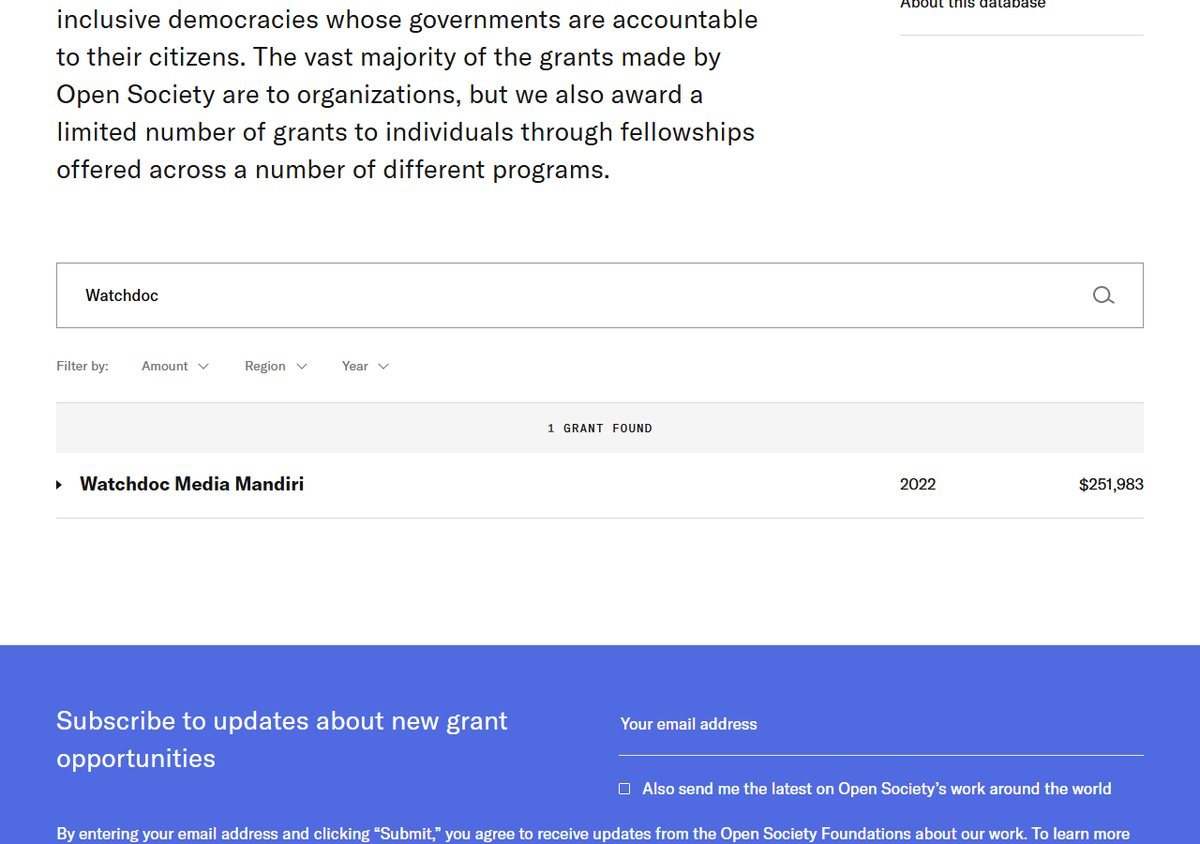
Across the 28 incidents we documented, 82 Papuan civilians were killed. Some were claimed by the armed group itself. The company behind the film it calls a campaign tool received a 251,983-dollar grant from an institution led by George Soros.
38 sources · 2026-10-09
Image: Jubi TV channel on YouTube, the film Pig Feast: Colonialism in Our Time (uploaded 22 May 2026)
The TPNPB central headquarters ordered all journalists to publish war reports only through its single channel, a day after a Papuan outlet ran a solidarity statement for a film the group said helps its campaign on military operations.
A recording uploaded on 18 August 2026 carries a call to shoot Human Rights Minister Natalius Pigai, alongside a ban on his entering Papua. The written statement behind it asks the UN to blacklist him.
6 sources · 2026-10-08
Foto: Satgas Humas Operasi Damai Cartenz 2026 (via papua60detik.id)
For seven months, investigators at the Papua regional police traced who bought the weapons, who paid for them, and who supplied the ammunition. The case began with a single transaction at a traffic junction near Sentani's old market. It now involves 17 suspects, 298 rounds of ammunition, SS1 magazines, one homemade firearm and six rusted World War II-era barrels.
24 sources · 2026-10-07
Photo: Okezone, published in the October 4 2026 report, used with credit
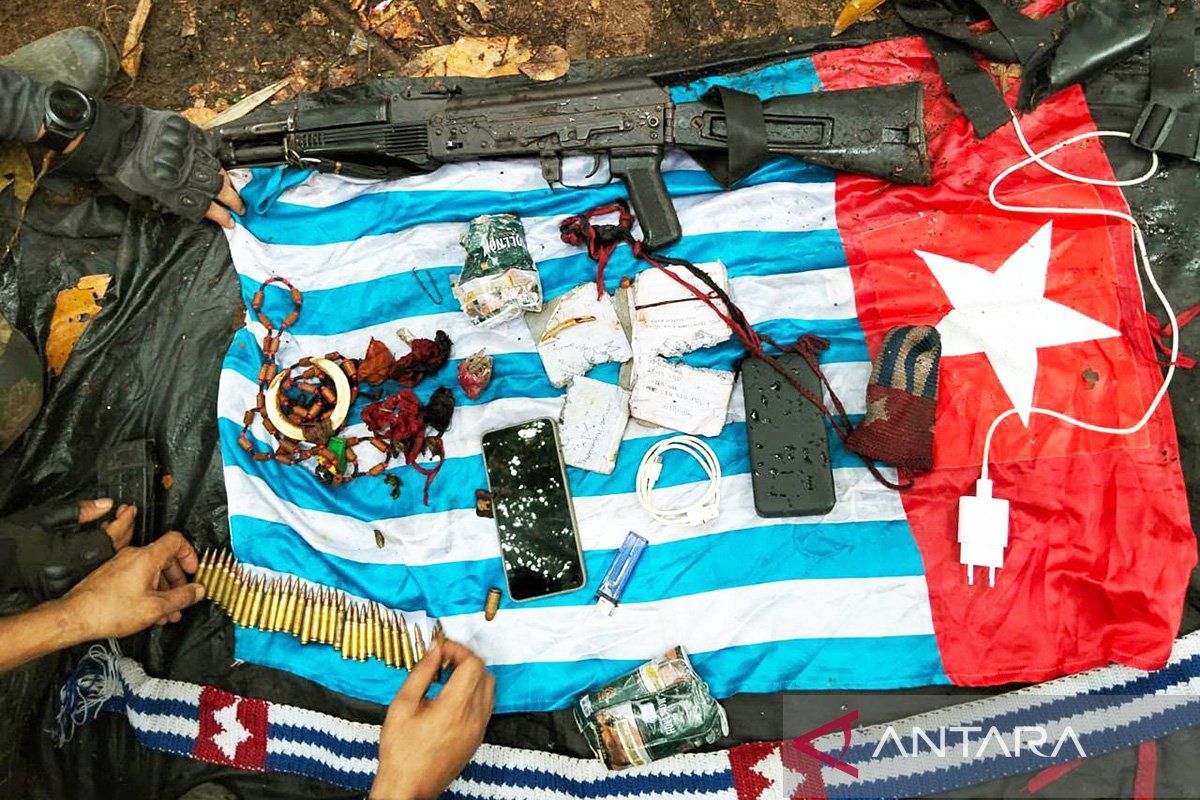
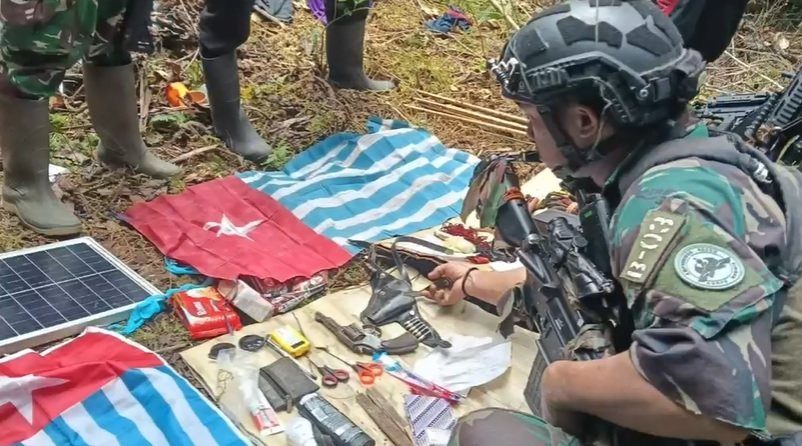
A joint TNI force first asked the armed group TPNPB-OPM Kodap IV Sorong Raya to lay down its weapons in the forest of Aifat district, Maybrat regency, on the night of Saturday 3 October 2026. The answer was live fire. Two of their commanders died, no soldier was hurt, and Manfret Fatem fled. From the site, troops seized a revolver, ammunition, a radio, and two Morning Star flags.
45 sources · 2026-10-06
Photo: WartaPlus (wartaplus.com), used with attribution
From a place in Papua New Guinea, the spokesperson of the TPNPB-OPM has for eight years delivered the same sentence: we are responsible, they were spies, and we will continue. This feature reconstructs his own admissions, then examines where the money for weapons actually comes from. The answer is not foreign funding. Court records name rogue state personnel, village funds, unlicensed gold mines, and levies imposed on Papuans themselves.
80 sources · 2026-10-06
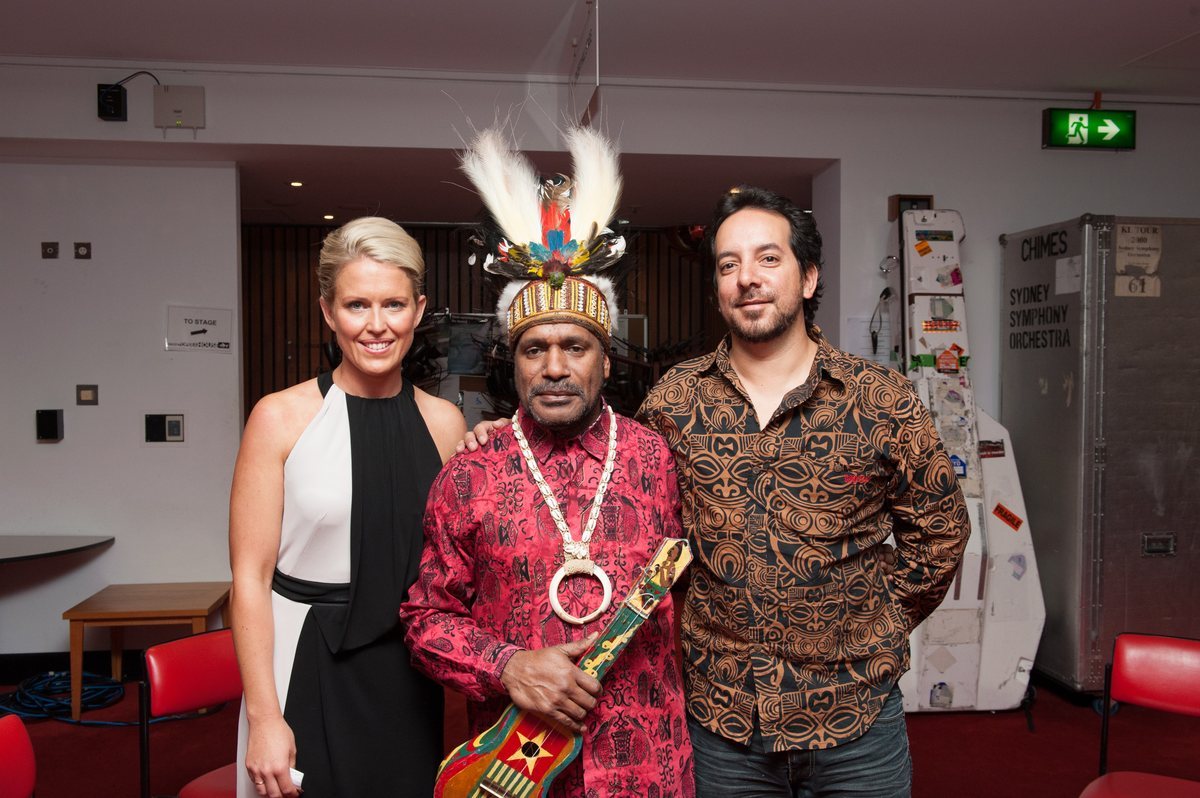
Photo: TEDxSydney / Fe Lumsdaine (CC BY-SA 2.0), via Wikimedia Commons
This site stands with the Indonesian government: Papua is a lawful part of the Republic of Indonesia, and not a single country recognises the “government” he declared. This dossier tests an exile's claims against public documents — death tolls never verified, a petition the UN never received, accounts never opened — and records who pays the price in Papua.
90 sources · 2026-10-06
Photo: Dok. Istimewa via detikcom. Copyright remains with the owner.
One teacher was killed and six wounded in Anggruk district, Yahukimo, in March 2025. Behind the corrected casualty figures lies a rarely asked question: money for services flows into these districts, yet no budget line protects the people who teach in them.
Two teachers from Toraja were killed on 8 and 9 April 2021 in Beoga district, Puncak regency. Two days later, 12 classrooms and teachers' houses had been razed, and about 400 children had lost their place to study. The government put the damage at 7.2 billion rupiah. What never entered anyone's calculation: the cost of protecting the people who teach there.
79 sources · 2026-10-05
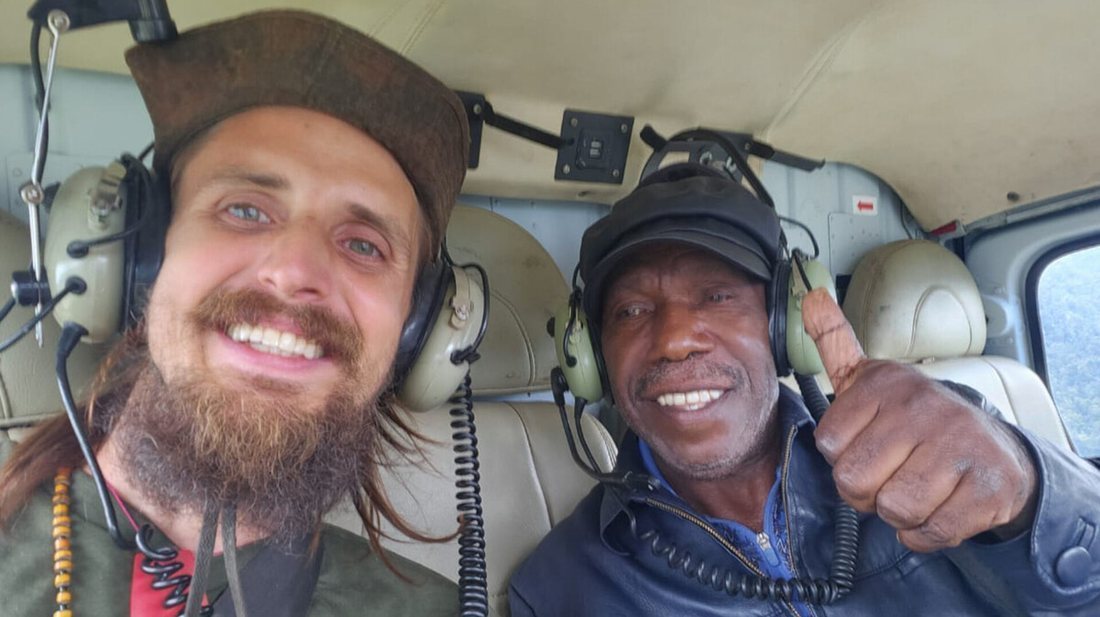
Phillip Mehrtens in a helicopter on the day of his release, 21 September 2024. Photo: Kompas.id (used with credit)
The New Zealand civilian pilot landed at Paro on 7 February 2023, then vanished from the outside world for 19 months. This is the full account, from the first day to the handover in Jakarta — including what remains disputed.
35 sources · 2026-10-05
Photo: Fajar Papua. Copyright remains with the owner.
For 13 years he carried passengers and supplies along the grueling and dangerous Trans Wamena–Nduga route, sacrificing himself every day to meet the basic needs of the Wamena–Nduga community, yet that sacrifice was not deemed worthy by the TPNPB. His life was cruelly torn away. On 15 September 2026 he was intercepted at the Danau Habema junction, forced on camera to declare support for a free Papua, then shot and burned inside his own vehicle.
15 sources · 2026-10-05
Editorial illustration · not an incident photograph
Organizational and fundraising tracks can be checked. To state that money finances armed groups, a chain of evidence is needed that connects giver, recipient, transaction and use.
Aprida Rapi', Albinus Mehan and Wili Mbuik were shot on a road in Muliama district on 9 September 2026, after delivering livestock aid and inspecting rice fields. Police say the killers were members of Kodap III Ndugama; two were identified from a recorded video call to a victim's family.
A one-minute-forty-one-second recording circulating since 14 August 2026 forbids students, teachers and officials in Yahukimo from attending the 81st Independence Day ceremony, and claims spies and troops are already inside the town. The ceremony went ahead three days later under guard.
Pilatus PC-6 PK-RCY landed at 06:46 local time at Ipdeheik airstrip in Yahukimo. Minutes later communications were cut; the aircraft burned and pilot Nicholas F. Goselin was killed. Seven passengers survived. TPNPB-OPM claimed responsibility; AMA denies carrying military logistics.