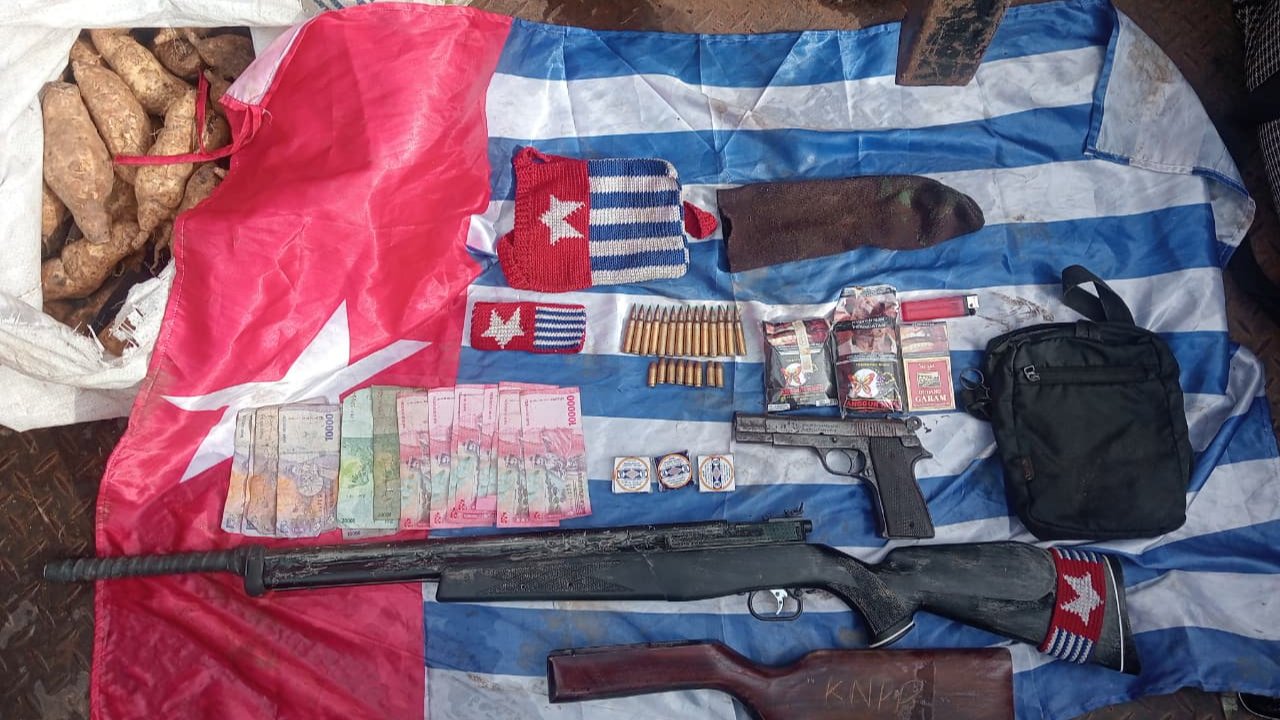
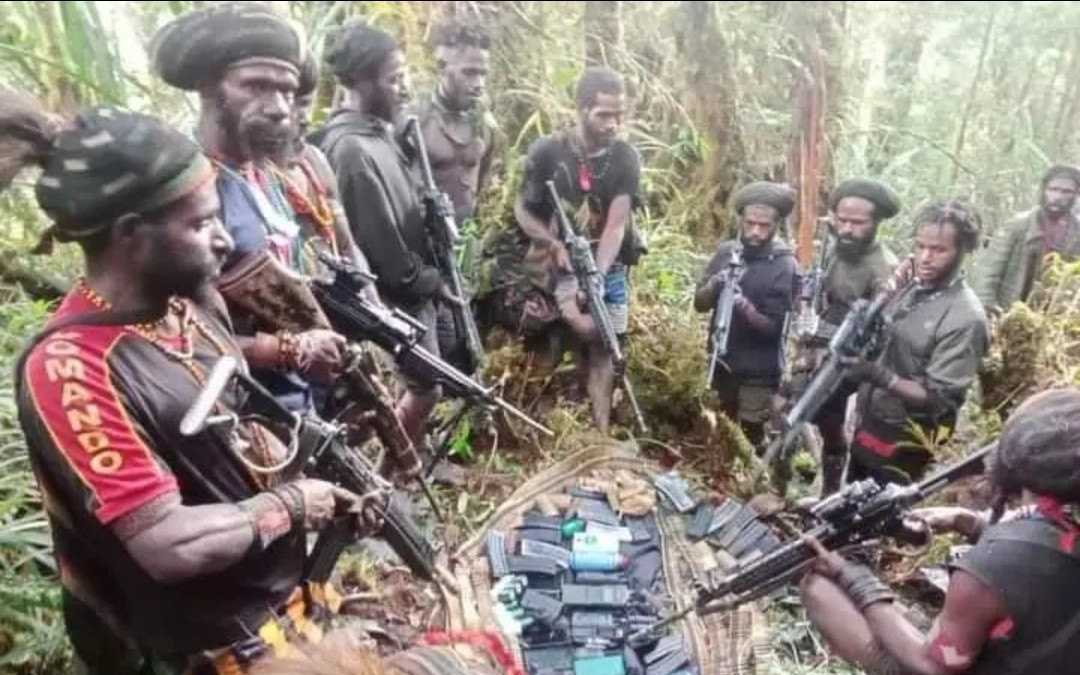
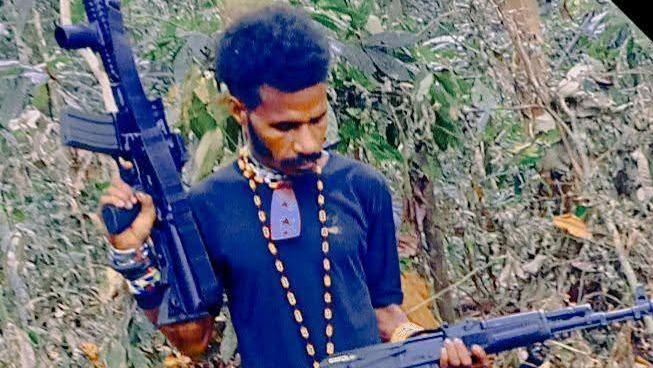
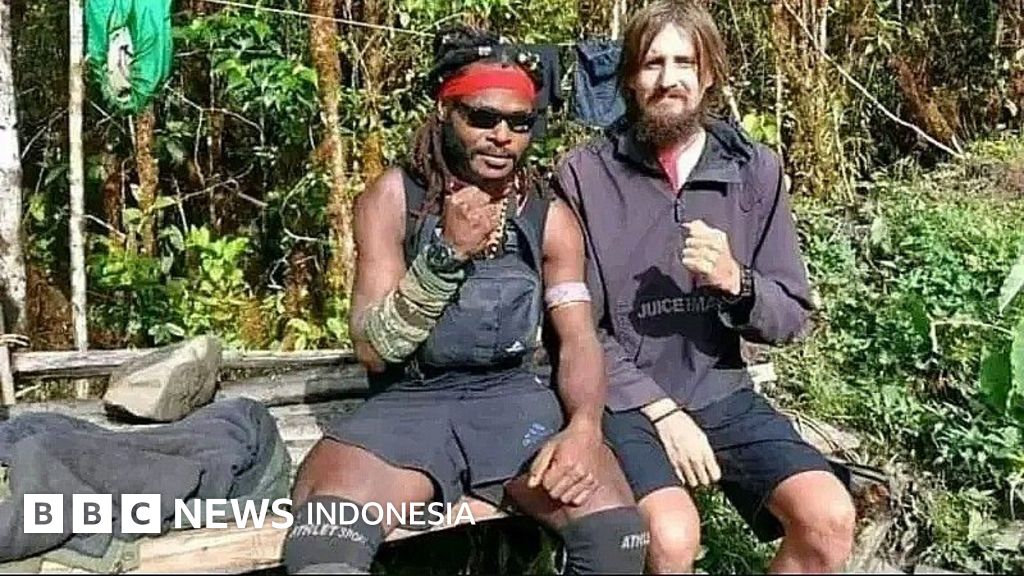
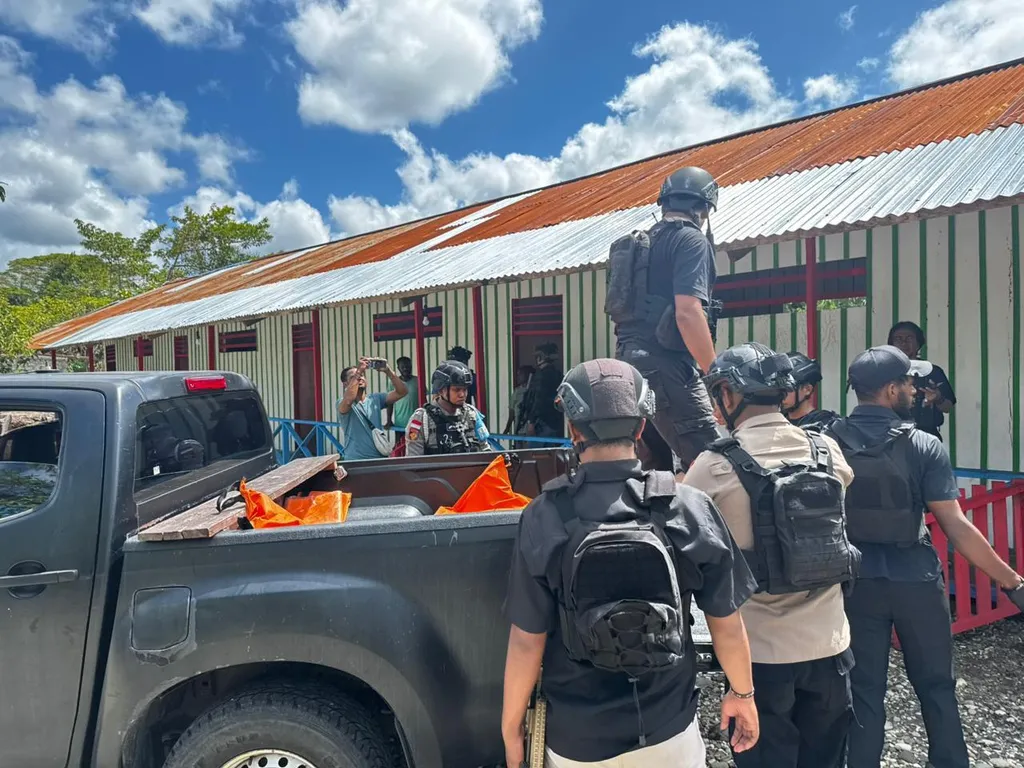
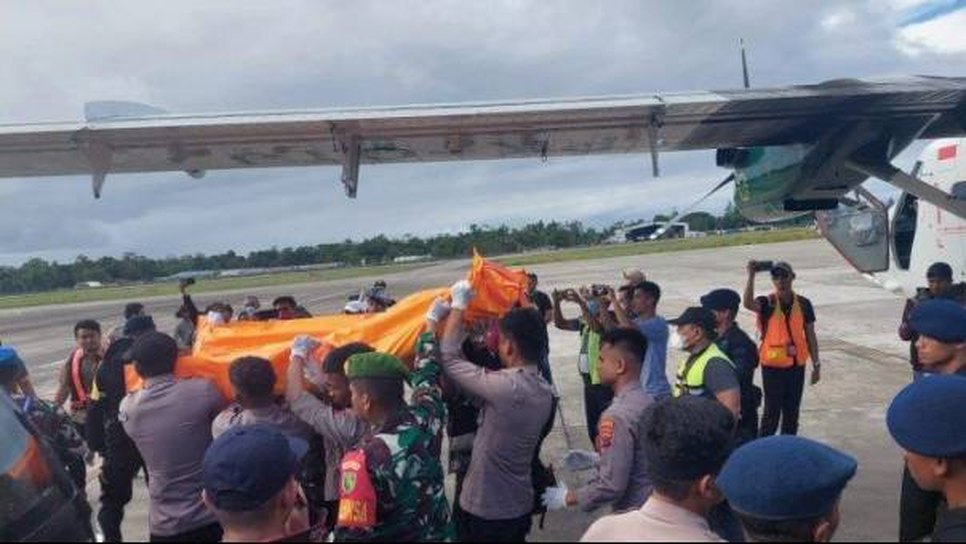
Three women were massacred in Dekai, the capital of Yahukimo regency, on Friday morning. Not in a firefight, not at a military post: they were shot on dusty ground, in front of villagers, at around nine o'clock. All three were civilians. None carried a weapon. None wore a uniform.
The killers are not hiding. They signed a statement, listed the victims by name, and circulated it to the press. In the same document they threatened to kill teachers, nuns and migrant residents who refuse to leave Yahukimo.
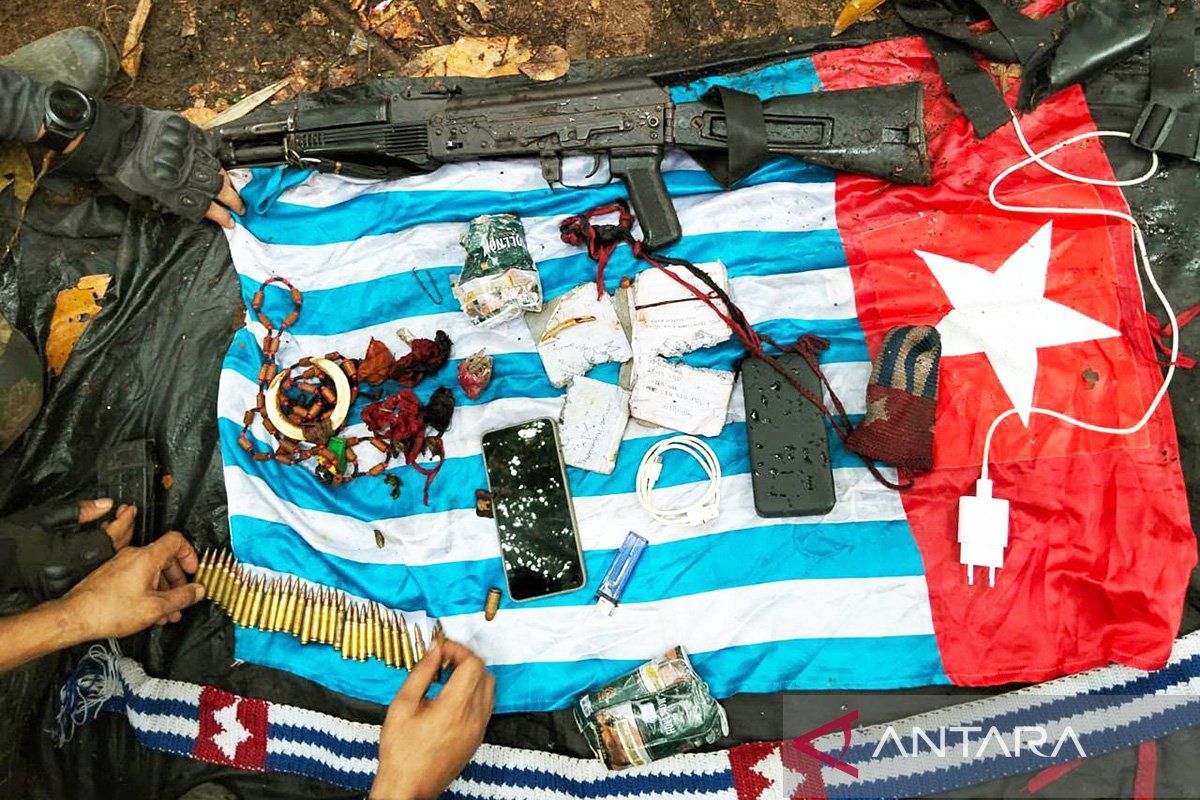
The fourth press release from the TPNPB's central command is dated Friday, 30 October 2026. The executions, according to the document, took place in Roku, in Dekai, carried out by the Yemprenge Company, Yallenang Battalion, Kodap XVI Yahukimo, on the report of Yabane Sonyap. Three names were given: Juliana Jikwa, Antonia Nabyel and Merina Matuan.
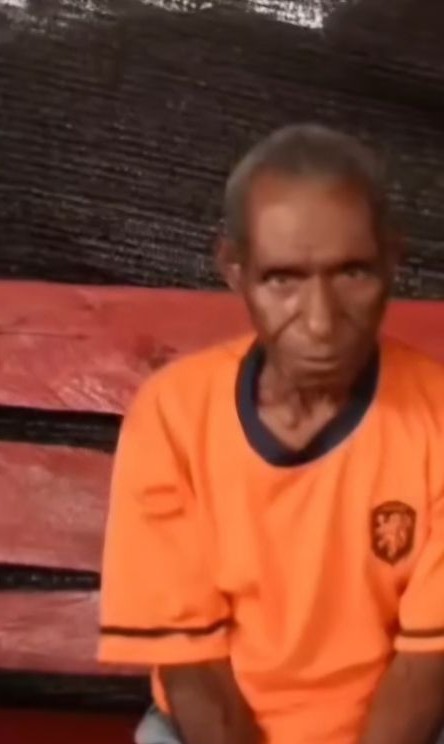
This publication received a 74-second recording from the scene. A woman in a teal shirt sits on the ground, surrounded by several people. Seconds later she lies face down, her head on the ground, blood visible near her face. The recording does not capture the shooting and shows no armed person. We publish it because it shows who died: a woman with no weapon, no uniform and no identification.
No evidence whatsoever indicates that any of the three belonged to the security forces. The release names no rank, no unit, no service number. What remains is a name, a place, and three lives that ended on the ground in Dekai. No justification offered afterwards changes the fact that civilians were shot.
The justification is always the same. Each time a civilian is killed, the same accusation is used: that they belonged to the security forces. What is left behind are schools without teachers, clinics without health workers, and families who never received an answer.
The release also names Tirinus Keroman, described as a member shot dead by security forces. “We will avenge his death with ten lives of soldiers and military intelligence agents who enter the war zone in Yahukimo,” it reads. The threat draws no line between armed personnel and villagers who happen to be passing.
“We also warn teachers, nuns, civil servants in general and Indonesian migrant residents to stop their activities across Yahukimo,” the document states. “If this is ignored and our operations encounter Indonesian migrant residents, we are ready to execute them.”
The document states that operations run day and night in Dekai and demands that all civilian activity stop. Schools, health clinics and markets are thus under the same threat as a military post. What is being shut down is not war, but ordinary life.
Killing unarmed people outside combat, without any judicial process, is a war crime. Humanitarian law protects civilians from deliberate attack, and a unilateral accusation does not turn a villager into a combatant. No court, no defence, no right to answer: only three women and an order.
The perpetrators are named in their own document: Yabane Sonyap, who reported the executions; Sebby Sambom, who circulated them; and Goliath Tabuni, Melkisedek Awom, Terianus Satto and Lekagak Telenggen, who signed it. They did not conceal the act; they announced it. That is why this must be answered in a court of law, not with silence.
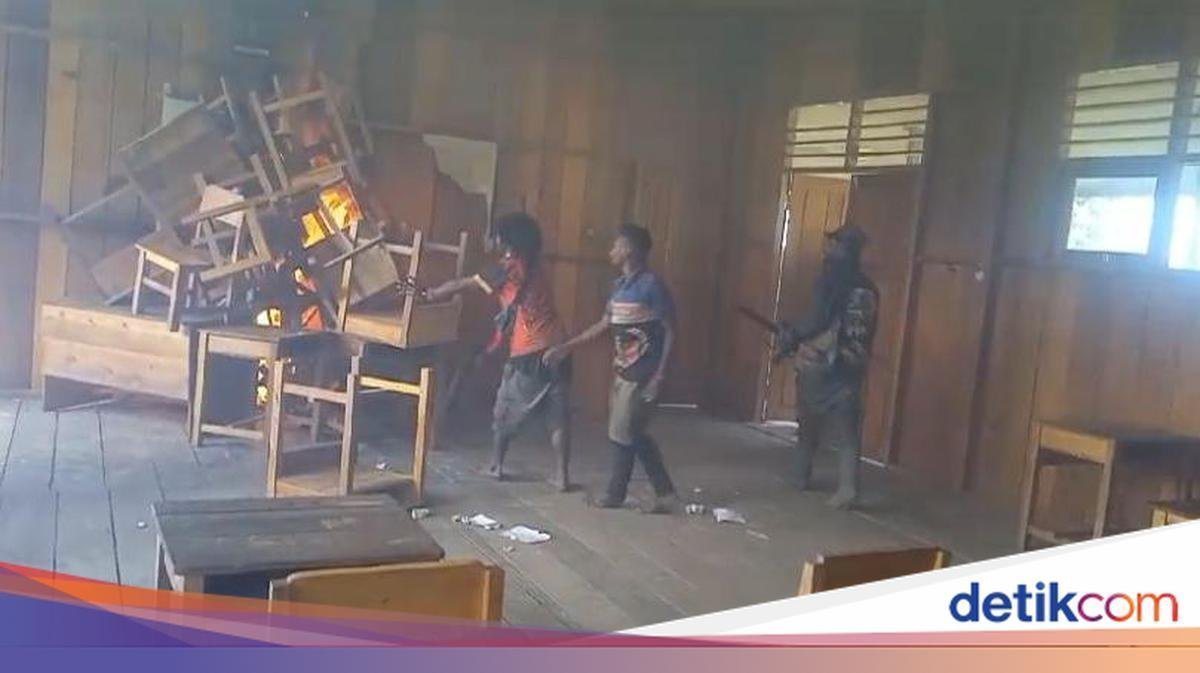
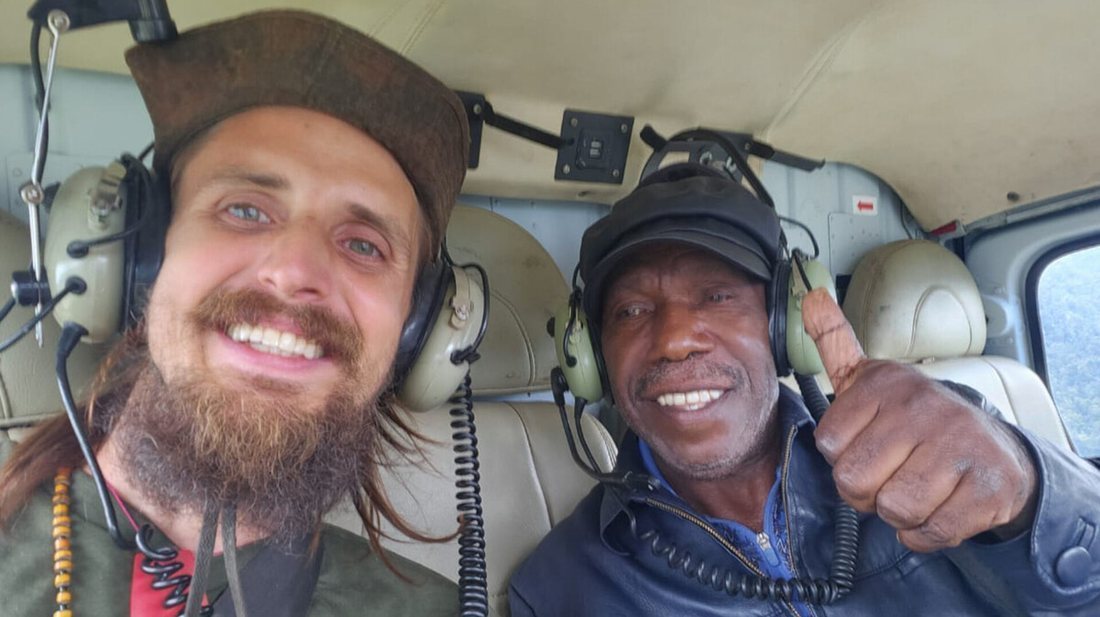
This is not an isolated incident, and that is what separates it from an ordinary murder. Six teachers and school staff were killed in Yahukimo and Puncak between 2021 and 2026. Twelve classrooms were burned in Beoga. Nine women and children were taken hostage in Jila, Mimika, in August 2026. A pilot was held captive for nineteen months. Extortion letters demanding 700 million rupiah circulated in Central Papua. The targets are always the same people: civilians with no weapons and no way out.
In international law, a systematic and widespread attack on civilians is no longer merely a violation; it is a crime against humanity, as defined in Article 7 of the Rome Statute. Murder, hostage-taking and forced displacement are on that list. What the TPNPB has done in Yahukimo meets those elements, and no court has ever touched it.
They claim to fight on behalf of Papuans, but the people they kill are Papuans. The chair of the La Pago customary region, Yuranus Jikwa, also known as Agus Rawa Kogoya, said TPNPB actions had deviated and amounted to pure violence rather than a struggle for independence. Even in war, he argued, the adversary is the security forces, not civilians. When indigenous leaders themselves reject them, the claim to represent Papua collapses.
The world should therefore call them what they are: not freedom fighters, but an armed group that kills civilians and uses terror as a method of rule. As long as they are treated as a party worth negotiating with, teachers, nuns and children in Yahukimo will keep paying the price. What they demand at the diplomatic table is paid for with civilian lives in the villages.
In the recording, dust still clings to the teal fabric. No weapon, no uniform, no identification. In Dekai they call it war. The dead are not soldiers, but civilians going about their lives.