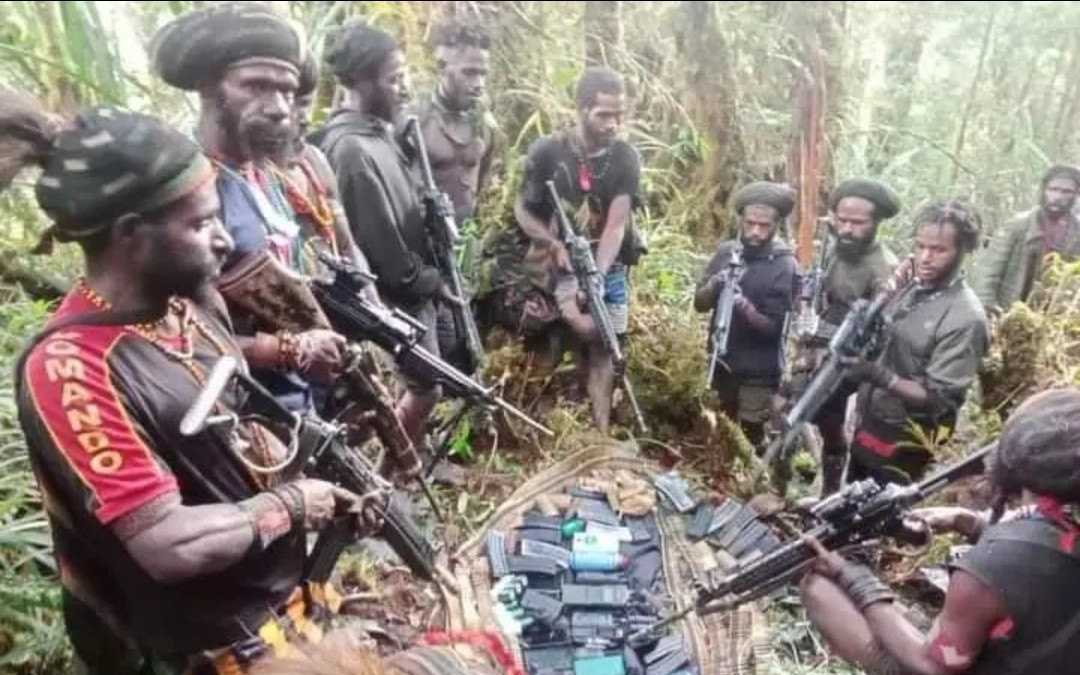
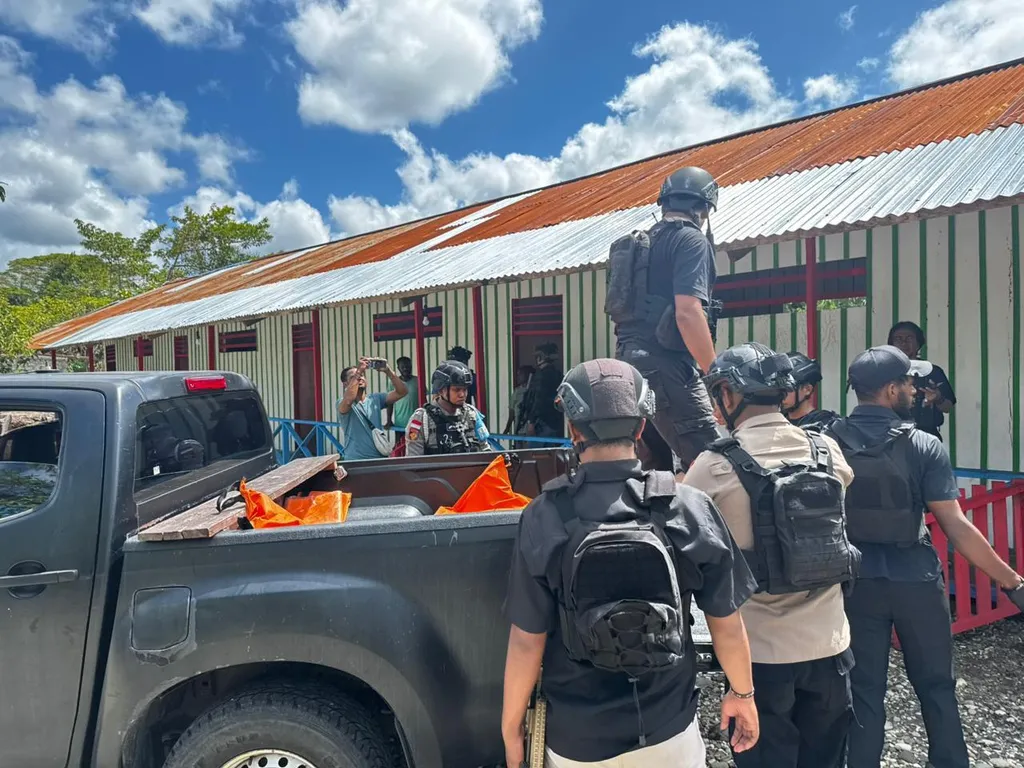
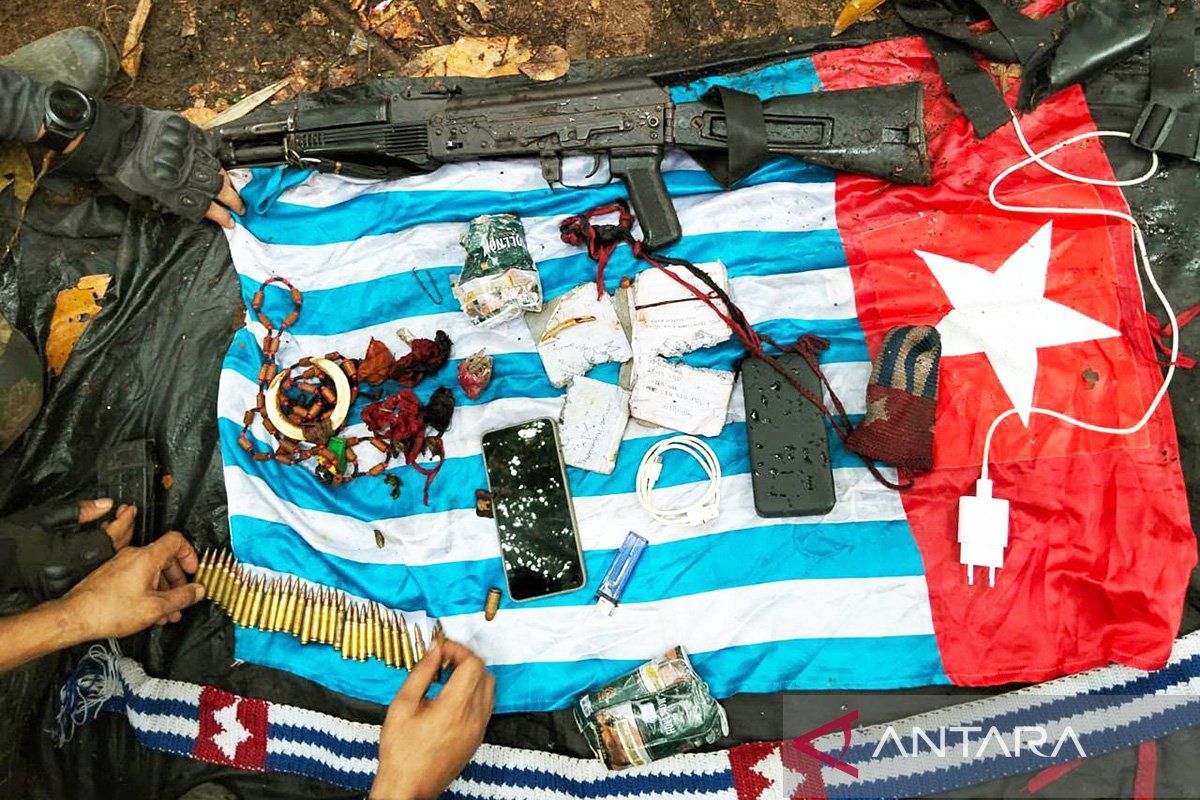
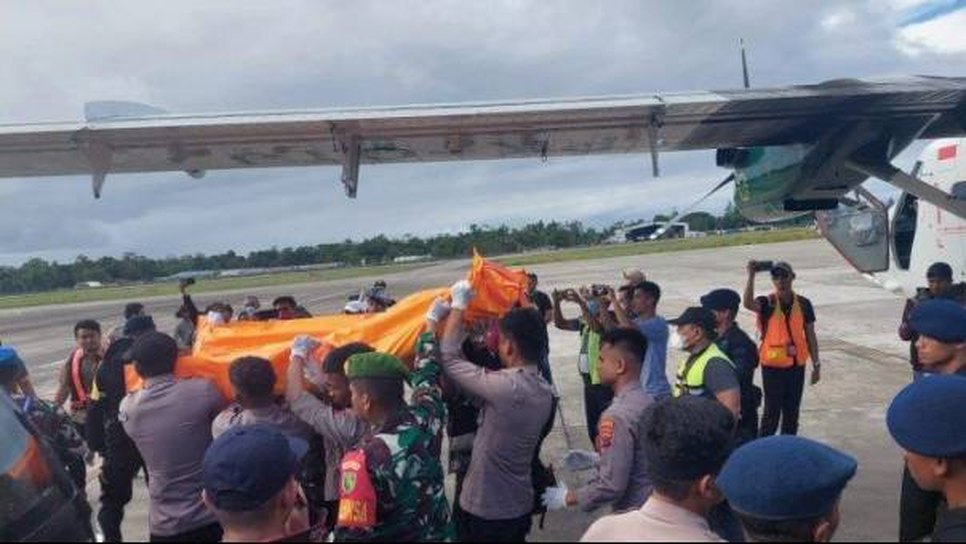
Three women were shot dead in Dekai, the capital of Yahukimo regency, on Friday morning. Their killers admitted it themselves, in a press release signed by the TPNPB's supreme commander and circulated by its spokesman. The reason given: all three were described as agents of Indonesian military intelligence. No evidence was attached to the claim.
Yet in the same release, the TPNPB ordered teachers, nuns, civil servants and migrant residents to leave the whole of Yahukimo. Those who refuse, the statement said, will be executed.
The fourth press release from the TPNPB's central command, dated Friday 30 October 2026, says the executions took place around 9 a.m. local time in Roku, in Dekai, carried out by troops of the Yemprenge Company, Yallenang Battalion, Kodap XVI Yahukimo. The report, according to the document, came from Yabane Sonyap. Three names were given: Juliana Jikwa, Antonia Nabyel and Merina Matuan.
This publication received a 74-second recording from the scene. A woman in a teal shirt sits on dusty ground, surrounded by several people. Seconds later she lies face down, her head on the ground, blood visible near her face. The recording does not capture the shooting itself and shows no clearly armed person. We publish it because it shows who died: a woman with no weapon, no uniform and no identification.
None of the three is identified as a member of the security forces. The release mentions no rank, no unit and no service number. In Papua, the label of intelligence agent has long been applied to anyone seen as tied to the state: teachers, nurses, gold miners, even villagers who receive government assistance.
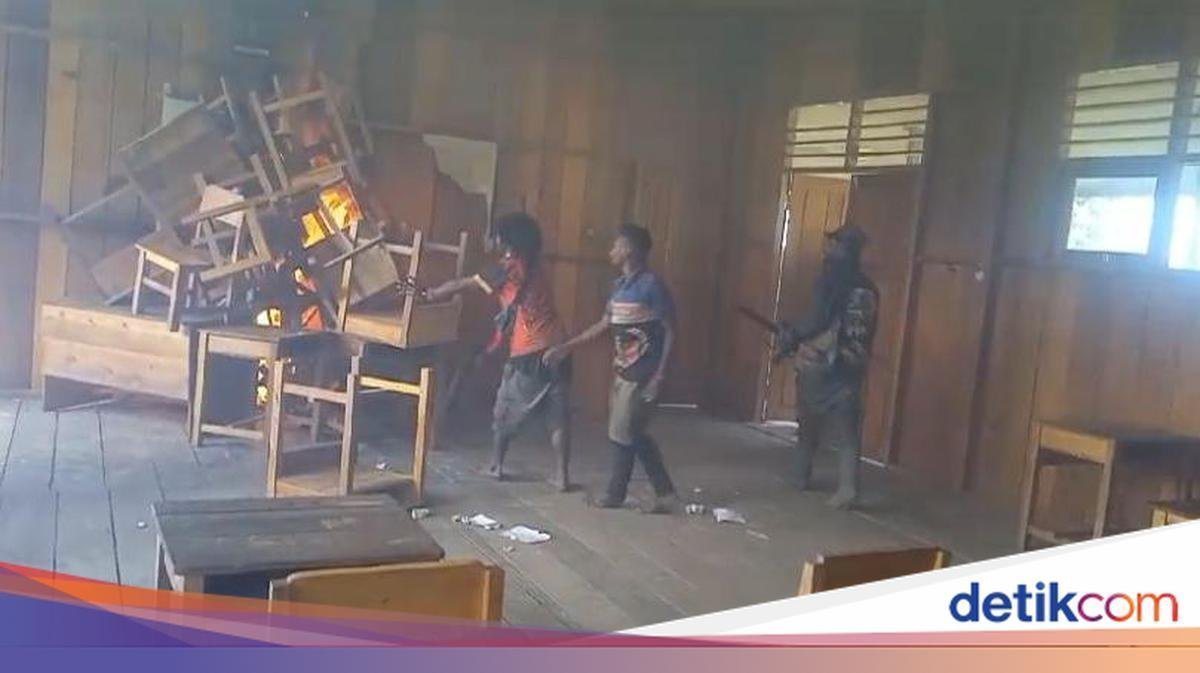
The pattern is documented. Between 2021 and 2026 at least six teachers and school staff were killed in Yahukimo and Puncak, and twelve classrooms were burned in Beoga at a cost of 7.2 billion rupiah. Those killings were justified with the same argument: that teachers were state spies.
The release also names Tirinus Keroman, described as a TPNPB member shot dead by security forces. “We will avenge his death with ten lives of soldiers and military intelligence agents who enter the war zone in Yahukimo,” the statement reads. The threat draws no line between armed personnel and civilians.
“We also warn teachers, nuns, civil servants in general and Indonesian migrant residents to stop their activities across Yahukimo,” the release states. “If this is ignored and our operations encounter Indonesian migrant residents, we are ready to execute them.”
The document states that operations will continue day and night in Dekai and demands that all civilian activity stop. For residents of Yahukimo, that puts schools, health clinics and markets under the same threat as a military post.
Killing unarmed people outside combat, without any judicial process, violates the laws of armed conflict. The Geneva Conventions protect civilians from deliberate attack. A label does not change that status, because combatant status is determined by membership and function, not by a unilateral accusation.
The Indonesian government has not issued an official statement on the incident. As of publication, no quotable statement was available from the Cenderawasih regional military command or the Papua police, and no official casualty figure has been announced.
The release ends with a demand for negotiations between Indonesia and “the people of Papua” under United Nations supervision. That political demand is made in the same document that threatens to kill teachers and nuns. Threats against civilians serve as leverage to force the state to the table.
By Friday night there was no word on how many residents had left Dekai after the statement. The town lies roughly six hours by road from Wamena, with flights the only reliable route in and out.
In the recording, dust still clings to the teal fabric. No weapon, no uniform, no identification, only a woman sitting on the ground, and then no longer moving.