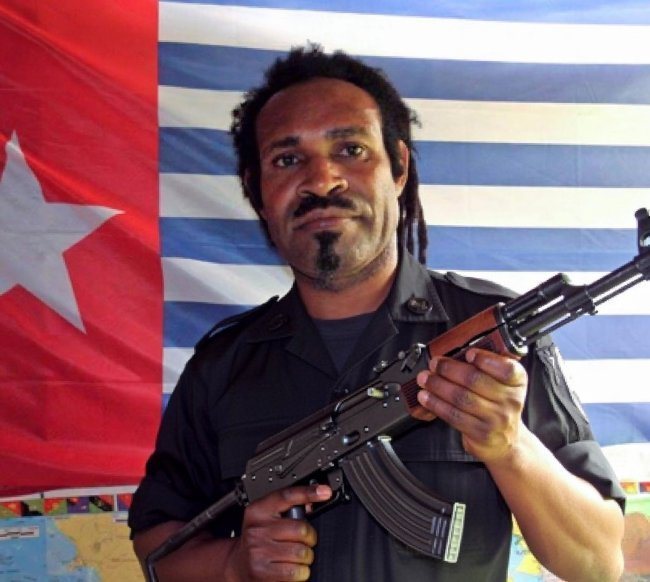
On 18 August 2026 a YouTube channel called West Papua posted a fifteen-minute recording. In it a man who identifies himself as the spokesperson of the TPNPB national command speaks straight to camera, names Indonesia's Minister of Human Rights, Natalius Pigai, and orders him to stop coming to Papua.
The recording contains an explicit order. Around the seventh minute, the speaker orders shooting. "Wherever Natalius Pigai enters a regency, shoot him; find a way to shoot him," he says, adding that anyone deemed a traitor may be shot if the chance arises. We quote the recording directly.
What the recording contains
The speaker identifies himself as Sebby Sambom, spokesperson of the TPNPB national command at its headquarters management, and dates the statement 19 August 2026. The recording also contains insults calling Pigai a "devil in human form", refers to Indonesians with an animal epithet, and includes demeaning remarks aimed at a minister born in Paniai.
Three days after the recording, a written statement dated 21 August 2026 circulated. It was published by Papuanewsonline on 22 August 2026 and says the same thing in the language of a formal letter. According to the document, Pigai's remarks in Nabire on 17 August are an attempt to erase the political right of Papuans to self-determination. The statement cites the International Covenant on Civil and Political Rights and the UN Declaration on the Rights of Indigenous Peoples.
It also warns the minister and his entourage not to enter displacement areas inside the armed-conflict zone, and asks the UN to blacklist Pigai.
Who is being told to stay out
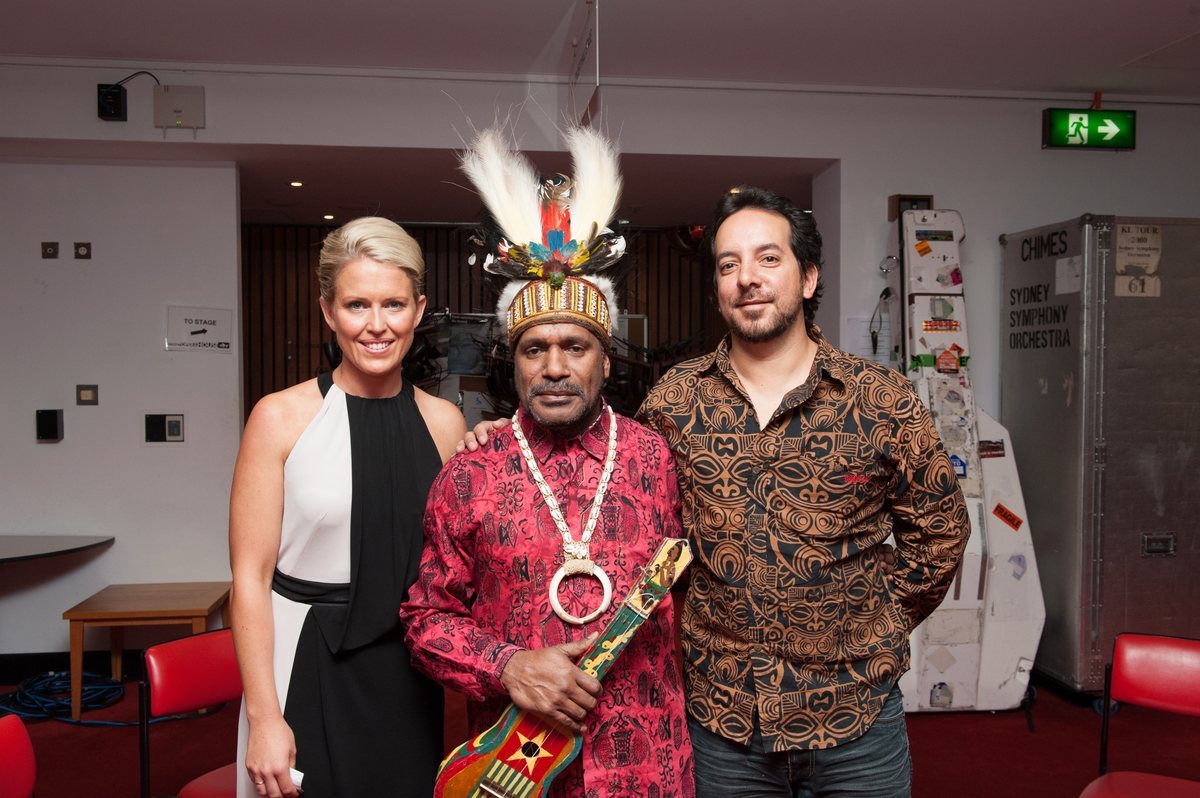
What those two documents target is a Papuan who heads the ministry responsible for human rights. Pigai was born in Paniai, served as a commissioner at Komnas HAM, and has been minister of human rights since 21 October 2024. During a working visit to the Central Papua provincial legislature in Nabire on 17 August 2026 he said Papuans may demand prosperity, justice and the fulfilment of their rights, but cannot call for Papua to break away from Indonesia.
"What is not allowed is saying, 'We want independence, separate us from Indonesia.' That is not allowed," Pigai said, as quoted by the state news agency Antara and reported by Jakarta Globe. "Other things are allowed. There is no problem, as long as they are done in the right way."
The door is not closed only on a minister
Pigai's remarks and the threat against him expose something more fundamental than a political argument. A minister born in Paniai is told not to enter the areas where Papuans have been displaced, while the group barring him says those displacements are the product of a long armed conflict. In other words, those closing the door on the minister are also closing the door on any record of the conditions those residents live in.
What is notable is that the recording does not reject international mechanisms. The speaker explicitly asks for displaced people to be handled by the International Committee of the Red Cross in Geneva, and says his movement has networks abroad. In the following sentence, however, he says security personnel who enter may be shot. That request collides with his own terms.
A UN blacklist request with no available route
The request to have a minister blacklisted at the UN has no route either. UN sanctions lists are created through Security Council mechanisms and apply to specific cases; there is no channel for an armed group to submit a name, and no UN member state recognises a claim of Papuan independence. The request therefore works as a political statement, not a legal step.
Four months, three doors closed
This threat is not a single event. On 17 April 2026 the same group announced it was closing access for Indonesian health workers, especially military medics, as reported by Tempo. On 7 August 2026 Papuanewsonline reported that all staff of the National Research and Innovation Agency and officials of the regional planning agencies were declared wanted. In four months, three groups that come to serve or to verify were barred: health workers, researchers, then a minister.
What the statement does not mention
Meanwhile, the channels the state has opened are rarely mentioned. In 2025, six Papuan prisoners convicted of unarmed treason received amnesty from President Prabowo. Pigai himself, on the same visit, invited residents to bring their demands through legal channels. The plan to re-register displaced residents, one of the triggers for the statement, is a step to deliver aid on the basis of data — and that is precisely what the statement calls unnecessary.
Where that capacity comes from
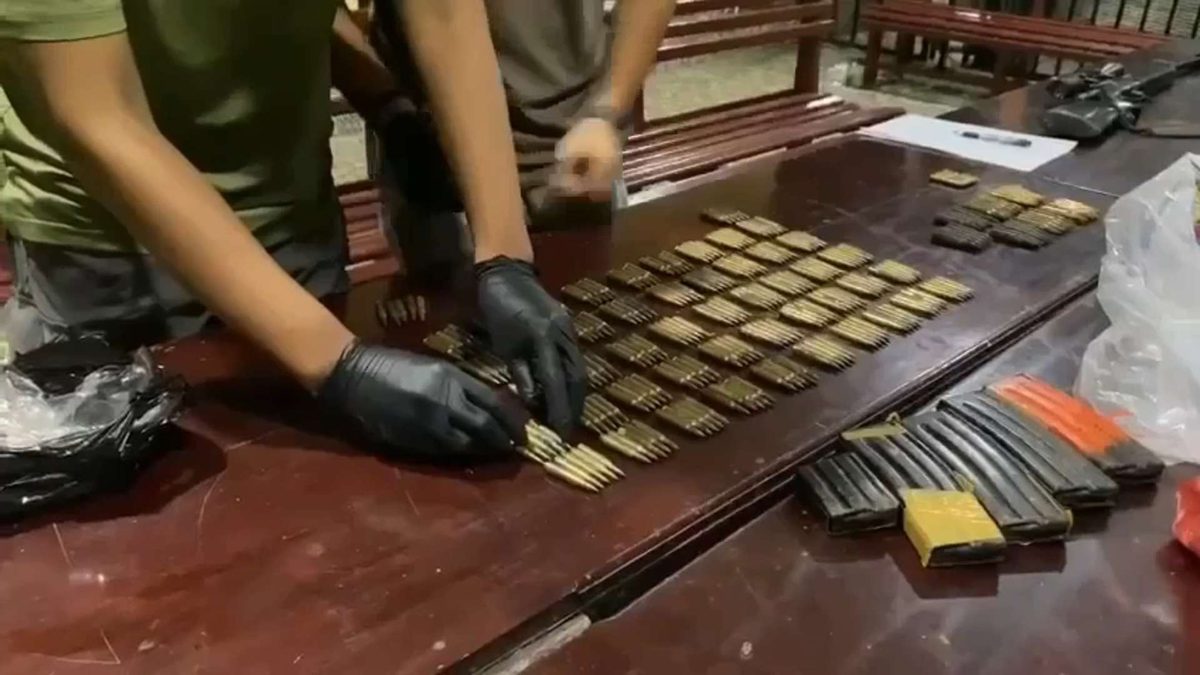
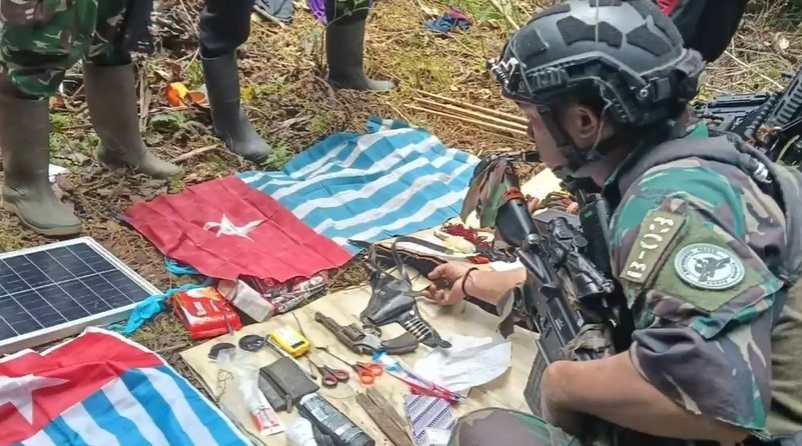
The capacity behind such threats also has a traceable origin. Through 2026, investigators at the Papua regional police dismantled a weapons and ammunition supply network in Jayapura: 17 suspects, 298 rounds, homemade firearms and hundreds of millions of rupiah from individual donors, as we reported on 7 October 2026. Before that, military courts handed life sentences to soldiers who sold weapons and ammunition to armed groups. The chain runs inside the country, not from abroad.
The question that remains is not only who shoots, but who blocks those who come to count and to serve. The recording of 18 August answers that with unusual clarity.